Budget vs Premium Resin: What You're Really Paying For and Getting
One of the most common questions beginners and professionals ask is: Is resin expensive, or is premium resin just overpriced branding? It's a fair question. With hundreds of different epoxy brands on the market (and the possibility of spending between 15 and 80 pounds/litre), knowing exactly what you are actually spending can save you a lot of frustration and wasted projects.
Here we will deconstruct the actual difference between inexpensive and costly epoxy resins in terms of clarity and UV protection versus hardness, working time, to make an informed choice on which one to use in your own craft, furniture, or art enterprise.


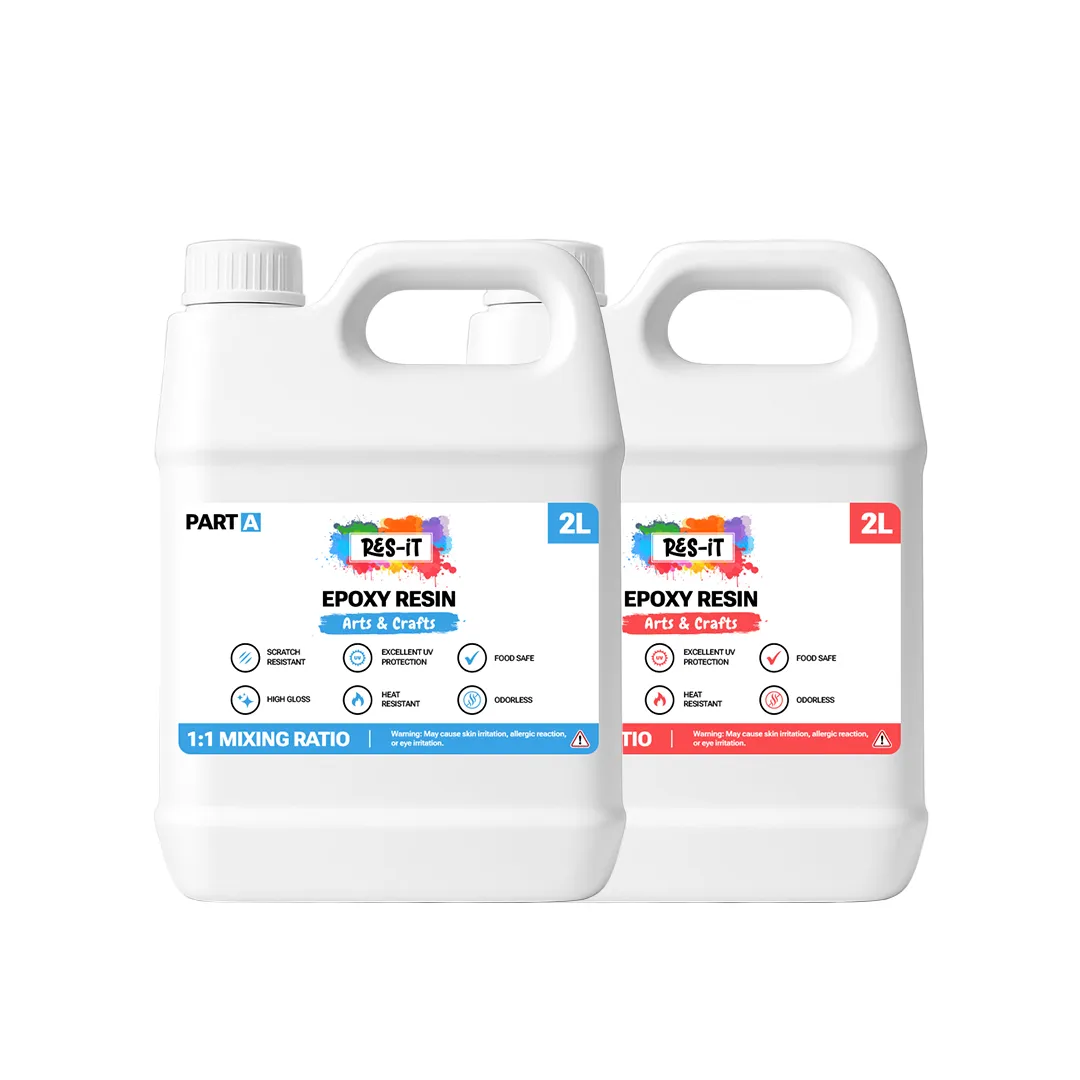

Epoxy Resin Cost Comparison
Comparing the cost of epoxy resin, the cost may be as low as £20 per litre to the high-end resin priced at £60–£80 per litre. This epoxy resin cost comparison clearly shows that the price difference is not just a branding difference, but one that involves differences in clarity, UV protection, hardness, working time, and long-term durability. Knowing these cost variables enables you to make the appropriate resin choice for the project you are doing without putting money down the drain or getting poor outcomes because of it. If you are wondering how much does resin cost or trying to understand is epoxy resin expensive, this comparison gives you a clear idea.How can One Resin be considered “Premium"?
All epoxy resins are based on an identical foundation, a two part system that consists of a resin and a hardener which reacts to create a solid and tough plastic. When deciding where to buy resin, it is important to choose a trusted supplier that offers consistent quality and tested formulations.
What makes premium resins special, however, is the quality and purity of those raw materials, and how well the formula has been revised to be clear, colour stable and have long durability. This is also why many people ask is resin expensive or simply better in quality when priced higher.
Premium resins go through:
- Stricter quality management to assure of batch consistency.
- Stabilisers (anti-yellowing agent and UV inhibitor) added.
- Increased purity (less fillers or contaminants).
- Profiles of optimised viscosity and cure
Budget resins differ, and tend to focus more on low cost than accuracy. They are still useful on simple jobs, but they have trade-offs, which can impact your finish, strength and shelf life. This explains why epoxy resin cost comparison is important before buying.
Clarity and Colour: The First Thing You Notice
Optical clarity is one of the most noticeable ones of the differences between cheap and premium resin, especially when doing an epoxy resin cost comparison for professional projects.
Budget Resin
- Frequently has a slight yellowish or amberish hue entire prior to mixing.
- May form micro-bubbles or cloud formations more readily.
- Easily decomposes under UV light or heat.
Premium Resin
- However, even before pigments are added, it is water-clear.
- The formula is tailored to self-degas, that is, to have fewer trapped bubbles.
- Resists yellowing with the help of UV absorbers and HALS (Hindered Amine Light Stabilisers).
That optical clarity is essential in the event that you are producing resin art, jewellery, or river tables. The appearance of clear patterns or light colours can be spoilt with cloudiness or amber colour.
Viscosity and Working Time: The Real life behaviour of Resin
Viscosity (thickness) influences the ease at which the resin can be mixed, poured, and spread. Exceptional resins are designed to meet individual applications be it used in a coating or in casting or in deep pours. This is another factor when deciding is epoxy resin expensive or worth the investment.
The resin may result in bubbles, irregular surfaces or soft spots due to poor balance. High quality formula will remain workable to allow you to pour, position and torch bubbles without any hurry.
Strength and Durability: The Hidden Difference
Mechanical strength of your resin is something you can not always see, but it makes a difference in long-term performance and overall value when considering how much resin costs.
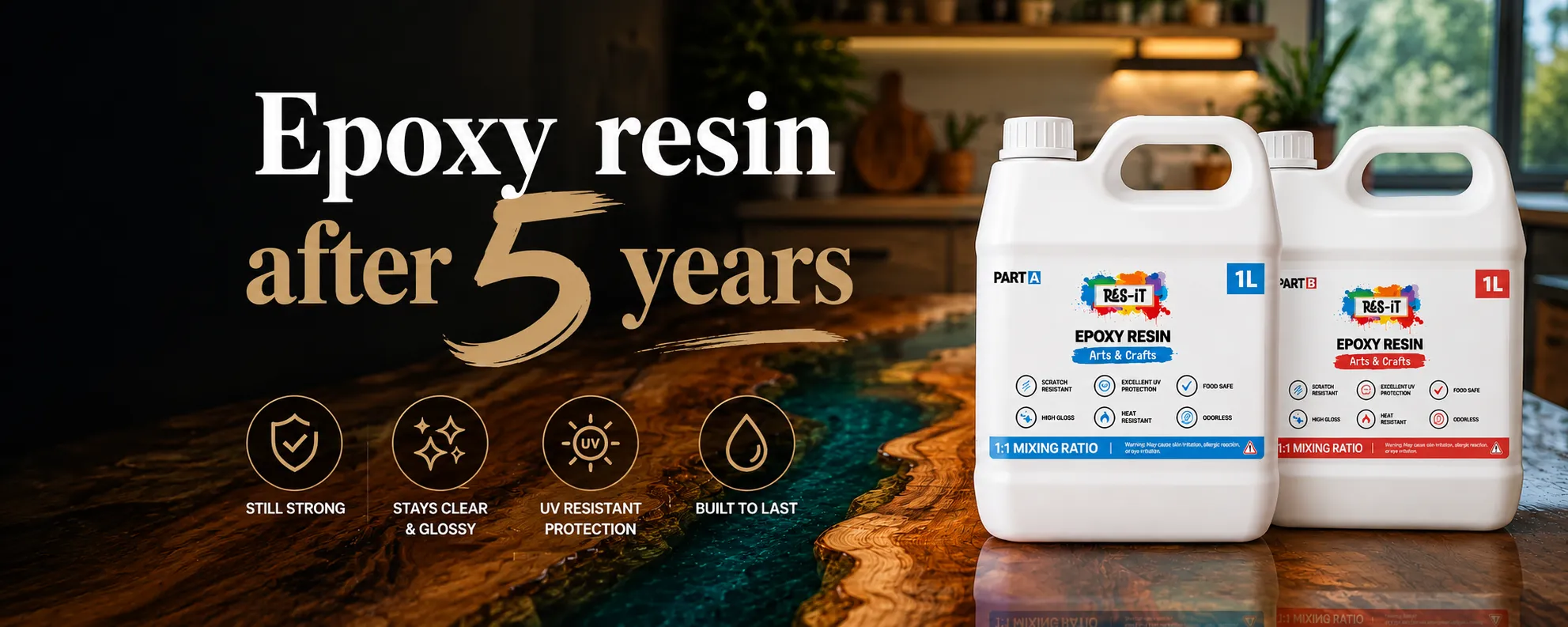
UV Protection and Yellowing as Time passes.
The long-term sunlight resistance of resin may be the greatest difference between cheap and premium resin. This is also a key factor in any epoxy resin cost comparison.
Mixing Ratios & Consistency
Budget brands might experience a lower ratio of mixes, or directions that differ with batches. Irregular chemistry may result in poor results, which is why choosing wisely where to buy resin is important for consistent outcomes.
Safety, Odour & VOCs
Less expensive resins might be smelly or have more levels of VOC (volatile organic compound). It may cause headaches, annoyance, or the lack of indoor air quality. This is another reason users question is resin expensive or simply safer and better in premium options.
Support, Testing & Warranty
Purchasing premium, you are not simply paying money on the resin, you are paying money on the skill that is in it. A proper epoxy resin cost comparison always includes support, testing, and reliability.
When a Budget Resin is Good Enough.
Premium resin is not required in all projects. A low cost option can be quite acceptable even when quick tests are involved. However, if you are planning professional work, even if epoxy resin is expensive, it provides better long-term value.
Frequently Asked Questions
1. Is premium epoxy resin really worth the price?
Yes, premium resin offers superior clarity, UV resistance, and strength compared to budget alternatives. Even if resin seems expensive, it delivers better long-term value and performance.
2. Why does cheap resin turn yellow faster?
Low-cost resins usually lack UV stabilisers, which protect epoxy from sunlight and heat damage. This affects durability and increases long-term cost.
3. Can I mix premium and budget resin together?
It's not recommended. Different formulations cure at different rates and may have incompatible chemical structures.
4. What type of resin should beginners use?
Beginners should start with a premium, easy-mix formula to better understand how much does resin cost based on usage.
5. How can I prevent my resin from yellowing or going cloudy?
Store resin in a cool, dark place and always choose high-quality products from a trusted source when deciding where to buy resin.
Conclusion
So, is epoxy resin expensive? It depends on your goal. Not only of premium grade brand prestige, but also about performance, reliability, and long-term durability. A smart epoxy resin cost comparison shows that investing in quality resin saves money over time and improves final results.
Choose your resin like you’d choose your tools; invest in quality, and it will show in every pour.