UK Weather Problems and How They Affect Resin Curing
The weather in the United Kingdom is famously unpredictable- it rains, is highly humid, cold, and clouds are visible. All these complicate the resin curing process, be it in laying resin-bound driveways or in creating epoxy resin art. Resin is highly sensitive to the environment; the UK climate can slow down the curing process, influence the hardness, and even destroy a project unless effectively handled.
The guide covers how the UK weather affects resin, curing periods, the effects of rain, the challenges in winter and the most suitable epoxy resin to use during cold weather. There will also be tips on how to go about rain, humidity, and cold curing.

Does UK weather affect resin?
Yes, UK weather is an important factor in the curing of resin. Resin is sensitive to temperatures and the quick weather changes in the UK frequently disrupt the hardening process of the chemical. The resin can also be thicker and slower curing in colder areas or during winter, and also cloudy or contaminated by moisture due to humidity.
Due to the weather conditions in the UK, which are more of rain and damp, the resin tends to demand both temperature control as well as proper planning of the process to have a smooth and perfect finish.
How Long Does Resin Bound Take to Cure in the UK?
In the UK, under average weather conditions, the average resin-bound surface requires:
- 6-8 hours for initial set
- 12-18 hours for light foot traffic
- 48-72 hours for full cure
These times however, vary with the temperature:
- Warm weather (15-20°C): Faster curing
- Cold weather (5-10°C): Does not cure as fast.
- At temperatures lower than 5°C: Resin can fail to cure at all.
The UK resin bound driveways may take a longer time to solidify because of temperature variations, cold wind, and cold nights.
Can Resin Driveways Be Laid in the Rain?
The simple one word answer to this is No. Resin driveways must not be put down in the rain or drizzle.
Rain leads to:
- Whitening or blooming
- Soft or sticky surface
- Weak bonding with the base
- Uneven texture
- Long-term durability issues
Resin should be used on a fully dry surface and no precipitation is expected within a span of 8-12 hours. In the case of the UK and its unpredictable weather, it is important to consider several forecasts before installation.
Why Resin Struggles in the UK Weather
The climate in the UK presents many challenges to curing of resin. Here's why:
1. Cold Temperatures
When it is cold, this slows down the process of the resin and the hardener becoming mixable, resulting in the mixture becoming thicker and more difficult to spread.
2. High Humidity
Humidity in UK air is frequently 80-95% and this may cause:
- Cloudy finishes
- Surface bubbles
- Water contamination
3. Frequent Rainfall
Outdoor projects are risky, even with small drops of uncured resin that will spoil it.
4. Temperature Drops at Night
A project started at 16°C may drop to 6°C at night, causing partial curing.
Epoxy Resin Curing in Cold UK Winter
It is not the best idea to work with resin in winter in the UK since it becomes dense, contains bubbles and the process is slow. The resin remains soft in most circumstances unless it is heated properly for days.
In order to fight this, various DIY users and professionals heat their workspace or pre-heat the bottles of resin. The secret of a clean finish is maintaining a controlled indoor environment. The process of winter resin cure must be patient and well prepared, particularly when the installations are outdoors, such as a driveway.
Tips for Winter Curing
- Warm bottles of resins in lukewarm water.
- Maintain room temperatures of between 18-24°C.
- Keep space heaters or heat-mats to maintain constant heat.
- Outdoor curing is to be avoided at all costs.
- Use resin in the morning so that it is not subjected to sudden drastic changes in temperature at night.
Best Epoxy for Cold Weather
When working in the UK on days when the weather is colder, the selection of resin is essential. The following two products are intended to be stable even at low temperatures available at epoxy res-it:
1. Epoxy Resin 4L Pro Kit
Perfect in massive construction like tables, counter tops, and deep pours.
Why it is a great piece in colder weather:
- Low viscosity.
- Fewer bubbles at a lower temperature.
- Heavy and quick-drying formula.
- Even when heated a little bit, smooth finish.
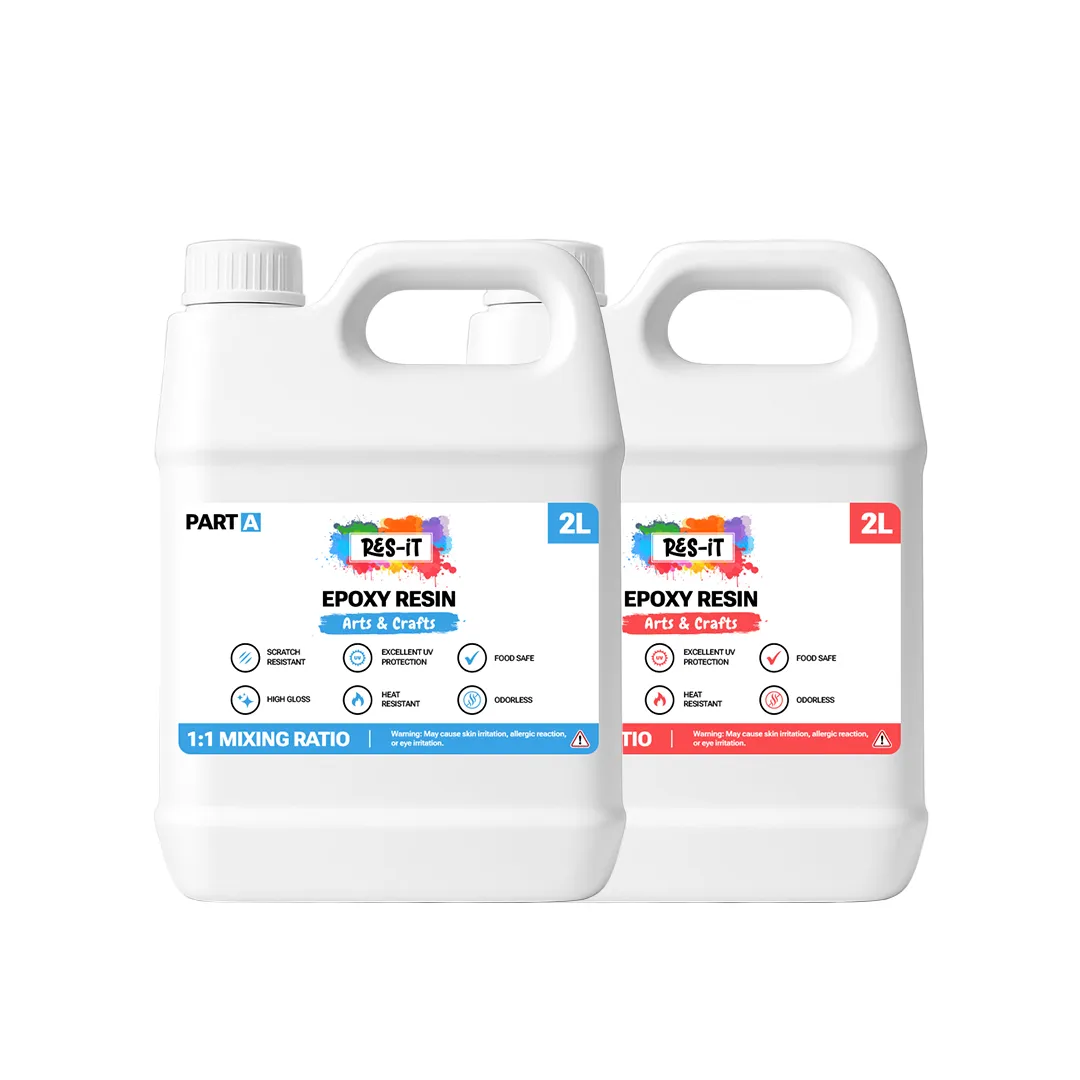
2. Epoxy Resin 2L Pro Kit
Excellent with resin craft, jewellery and smaller home handicrafting.
Benefits in cold UK weather:
- Easy mixing.
- Clear and glossy finish.
- Cures easily without issues.
- Created to carry water through the cooler climate.
The two products guarantee good performance in the UK winter when other resins usually do not perform or cure evenly.
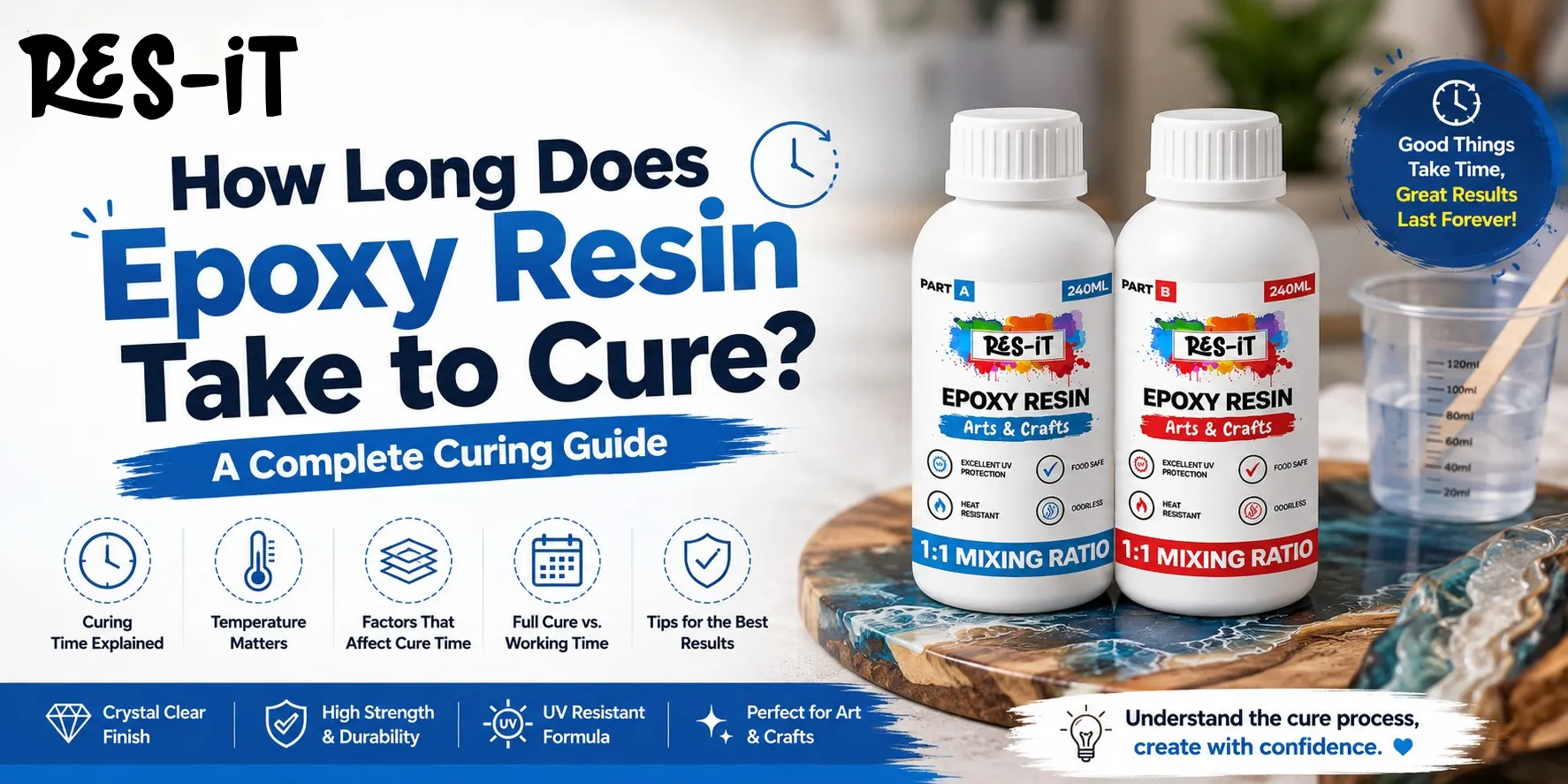
Factors That Affect Epoxy Resin Curing Time
- Temperature: The lower the temperature, the slower it will cure.
- Humidity: Softness and cloudiness may occur when there is a lot of moisture.
- Mixing Ratio: The wrong ratios do not allow proper curing.
- Pour Thickness: Deep pours are cured more quickly since it produces more heat.
- Resin Quality: Low-quality resin is unsuccessful in cold UK conditions.
How long Before Resin Can Get Wet?
The timing to allow epoxy resins to touch water safely is after 24 hours, although to be guaranteed of complete waterproofing, 72 hours would be the best time. The timing of the outdoor projects in the UK should be done so that the projects are not interrupted by rain that suddenly appears in the midst of the curing process.
How to Use Resin During Cold UK Winter
Resin can be used even during winter - just that you should create the appropriate setting. Warm your resin bottles first and make sure you keep your working area hot so that the temperatures will be constant. Outdoor curing is not possible, cold air and moisture will destroy a fresh pour. To have the resin cure, time it to cure during the daytime when the temperatures are the highest.
To get the best winter outcome, it is always advisable to use cold-weather-optimized resins such as the Epoxy Resin 4L Pro Kit and Epoxy Resin 2L Pro Kit from Epoxy Res-it.
FAQs
1. Which factor can affect the curing time of epoxy resin?
A: Curing time depends on temperature, humidity, accuracy of mixing, quality of resin, and pour depth. The reaction is the slowest in cold weather.
2. What is the maximum time of wetness of resin?
A: Give a minimum of 24 hours to dry resin before it comes in contact with moisture and 72 hours to dry resin and be waterproof.
3. How to use resin curing in cold UK winter?
A: Heat resin bottles, heat workstation to 18-24 °C, do not cure outside, and have cold-weather friendly kits available, such as the Epoxy Resin 2L Pro Kit and Epoxy Resin 4L Pro Kit