Resin and Epoxy Worktops Costs, Benefits and Kitchen Ideas
Resin-based surfaces are gaining popularity in today's homes because they are smooth, easily designed and easy to maintain. An epoxy resin kitchen worktop is a kitchen worktop that is made of an epoxy resin. This guide describes the process of manufacturing these surfaces, the best applications for them, the costs of the surfaces and some of the factors to consider before selecting a particular surface.
Why Resin Kitchen Worktops?
resin kitchen worktops are becoming a popular option for modern homeowners for several reasons, including their sleek and seamless look, durability, and versatility in design. Resin surfaces are not like many other traditional surfaces, there are no visible joints, which means that kitchens look cleaner and more modern.
Another big plus of resin worktops is that they can be tailored to suit your requirements. Patterns inspired by marble, metallic finishes and stone-like effects, are all available for resin and can be adapted to almost any kitchen style for use every day.



Resin Worktop Composition
Resin Worktop Composition refers to the blend of materials used in the production of resin worktops.Resin Worktop Composition is the combination of materials used to make resin worktops.
A resin surface has a simple but effective structure. It is usually composed of epoxy resin, hardener, colourants and, occasionally, decorative items like stone flakes or metallic powders.
Epoxy resin is commonly found in the manufacture of deep pour resin as it can be used for thicker applications and should create a strong, smooth and non-porous finish after curing without cracking or over heating the resin.
Key components include:
- Cooling system
- Colour additives or decorative elements
- Protective topcoat for durability
- Sealants that are moisture and heat resistant
The result is a hygienic surface resistant to stains and water-resistant.
Kitchen Resin Worktops
Resin surfaces are popular in kitchens due to their seamless design and easy cleaning. If there are no joints or gaps, food particles and moisture are not able to be trapped.
They are suitable for:
- Kitchen islands
- Breakfast bars
- Modern countertops
They are fine for everyday use, but are recommended to be worn in the heat. The use of heat pads or trivets will help to keep the surface alive.
Where Can Resin Countertops Be Used?
While they are common in kitchens, resin countertops can be found in bathrooms, utility rooms, commercial facilities, cafés, restaurants and office kitchens. They are easy to clean and highly resistant to stains and moisture, and offer a smooth finish.
- Kitchen islands
- Bathroom vanity tops
- Laundry rooms
- Reception desks
- Catering premises
- Coffee bars and restaurants
Resin Worktops Pros and Cons
As with all surface material, there are pros and cons to resin.
Pros
- Smooth, seamless finish
- Water and stain resistant
- Custom colours and effects
- Suitable for both cleaning and maintenance
- Can be repaired in most instances
Cons
- May be sensitive to extreme heat.
- May scratch if not cared for properly
- It does require skill to install and the right tools
It is useful to know both parties to make a well-informed decision on performance rather than looks alone.
You can also read our guide on epoxy vs granite worktops to find out the differences in durability, cost and maintenance.
Is Resin Worktops Long-lasting?
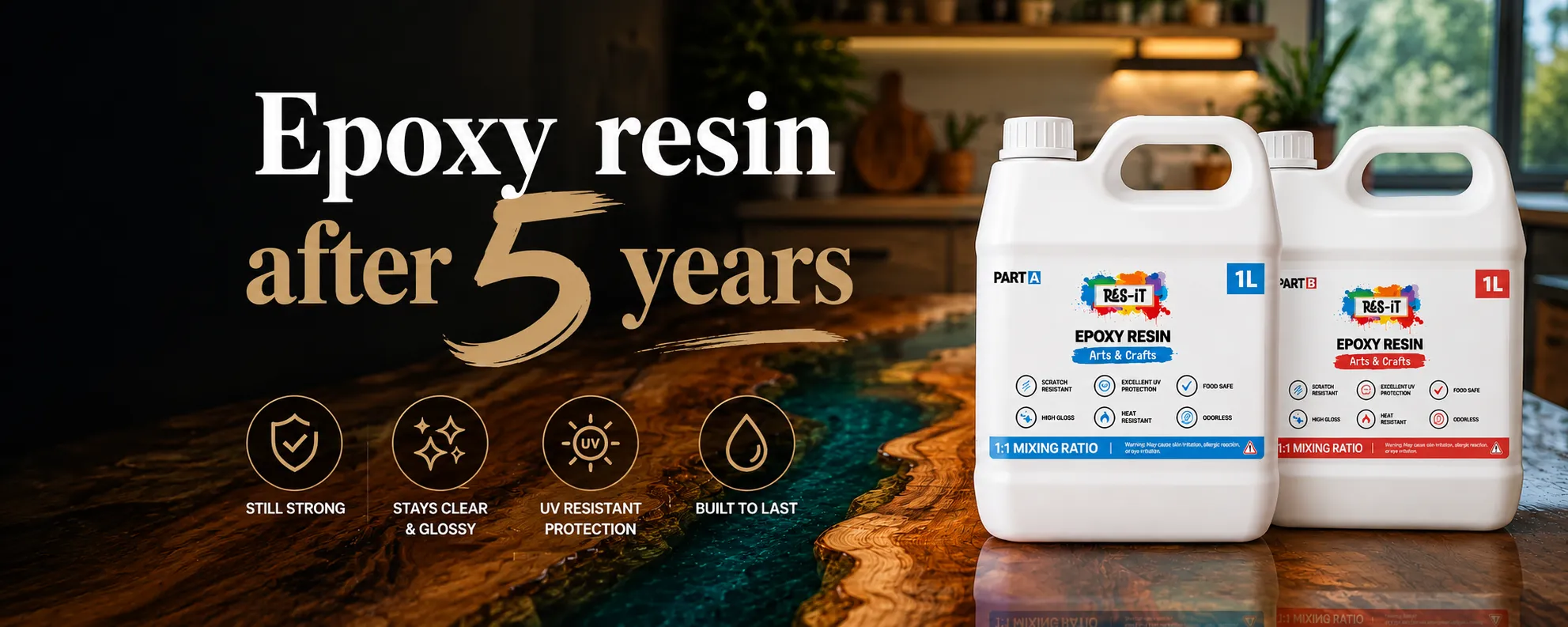
One of the main reasons that homeowners opt for resin worktops is their durability. Combined with using a quality epoxy resin with proper installation, the surface is extremely resistant to moisture, normal stains and wear.
Resin is good for everyday kitchen use, but can be kept from losing the shiny luster by guarding it from extreme heat and hard surfaces. Usually, a mild soap wash is enough to maintain the surface's new appearance.
Epoxy Resin Worktop
Epoxy worktops are created by coating a pre-treated base surface with layers of epoxy. Accurate mixing, controlled temperature and appropriate equipment like spreaders and mixing containers are required for the process.
The following are reasons why epoxy resin is popular:
- Converts to a strong, stable surface
- Has good bond with wood and concrete
- Will accommodate creative finishes and designs
For thicker applications, deep pour resin can be used for this to ensure even cure and less surface stress.
Epoxy Resin Worktop Ideas
The most significant benefit of epoxy worktops is design flexibility. The available colours and textures can be chosen to suit modern and traditional interiors.
Popular ideas include:
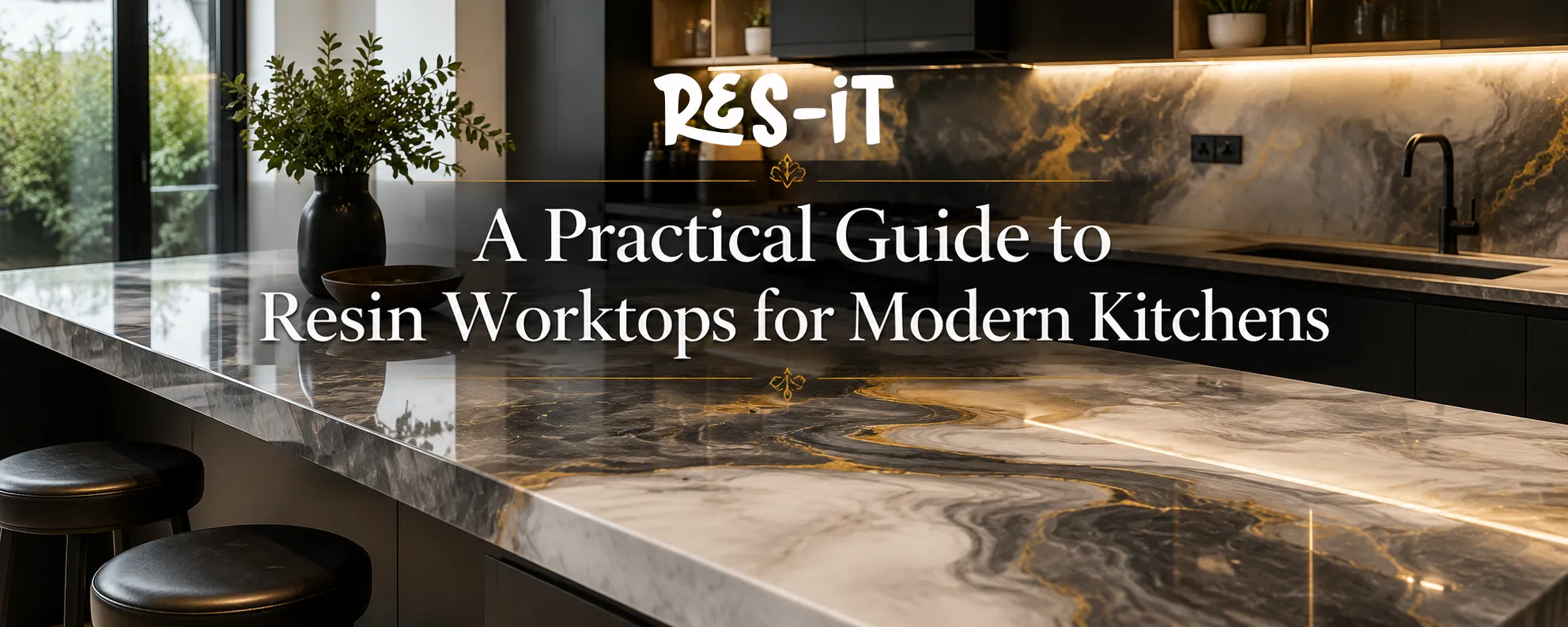
- Marble-style effects
- Solid neutral tones
- Gradual fade from blue to white
- Incorporate stone or wood embellishment in the design
Resin Worktops Prices
A resin worktop is made using clear top to provide a seamless surface.A clear top worktop is created by resin.
The price depends on the size, design and installation. It is more expensive to have custom finishes and any deep pours.
Price factors include:
- Surface area
- Type of resin used
- Design complexity
- Installation cost
In general, resin worktops are more cost-effective than natural stone, particularly when it comes to custom designs.
How to Choose the Best Resin Worktop
The selection of resin kitchen worktops will be influenced by the scale of the task, desired finish and the grade of materials used. Generally, premium epoxy resin offers greater clarity, enhanced UV resistance and a longer lasting gloss than inferior resins.
- Choose UV-resistant resin
- Use food safe epoxy
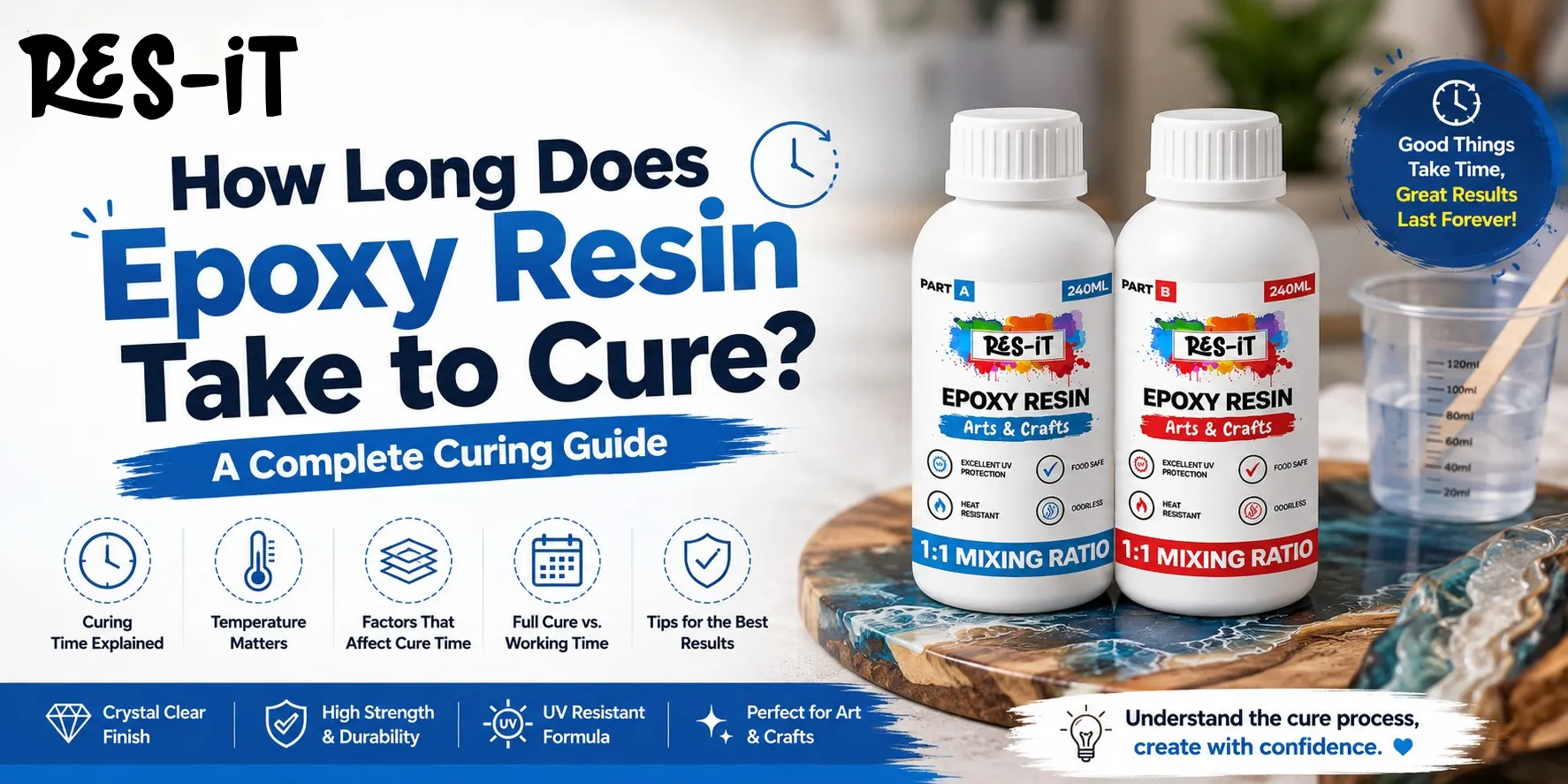
- Check curing time
- Consider scratch resistance
- Buy from trusted suppliers
Resin Worktop Kit
Typically a complete kit will be sold with resin, hardener, instructions, and possibly pigments. These kits will work primarily for small projects or practice work.
A standard kit will include:
- Pre-measured epoxy resin
- Mixing tools
- Safety instructions
If you are trying to do a bigger project, then professional quality materials and experience are recommended to get a quality and consistent finish.
Maintenance and Everyday Care
With proper care, the surface life is extended. For gloss and clarity, use mild soap, but not harsh chemicals.
- Use chopping boards
- Don't place hot pans straight on the surface
- Clean spills immediately
- Reapply as needed in the event of wear
Often minor scratches can be buffed or reconditioned without replacement.
Frequently Asked Questions About Resin Worktops
So, resin kitchen worktops are waterproof?
Yes. Resin kitchen worktop surfaces are non-porous and water resistant, making them ideal for kitchens and utility spaces.
Do resin countertops scratch easily?
As with all countertop materials, resin countertops can also get some light scratches with time but there are many small scratches that can be buffed out using proper products.
How long are resin worktops guaranteed for?
If cared for correctly, and maintained properly, high quality resin worktops can last for many years and retain their handsome appearance and glossy finish.
Conclusion
Resin kitchen worktops are durable, modern and offer a great design flexibility and are popular choices for both commercial and domestic areas. From a cleanable, sleek solid colour finish to a luxurious marble effect or a custom design, resin worktops offer a seamless surface that can be easily cleaned and is engineered for everyday use. They can retain their performance and gloss for many years with proper installation and care.
Whether you're tackling a home project or a commercial installation, selecting top-tier epoxy resin is crucial for ensuring a lasting finish. Product from Epoxy Res-iT offer a great clarity, durability and consistent cure results in a broad range of resin countertops and worktop applications. With the right materials and installation techniques, you can achieve a gorgeous, long-lasting result that will improve your kitchen's beauty and usability.