Epoxy Resin for Wood Repair: The Complete Guide to Restoring Cracks, Rot, and Damaged Timber
Wood is one of the most beautiful and versatile materials used in furniture making, flooring, decorative projects, and structural applications. However, over time, exposure to moisture, sunlight, temperature changes, and daily wear can cause wood to crack, split, warp, or rot.
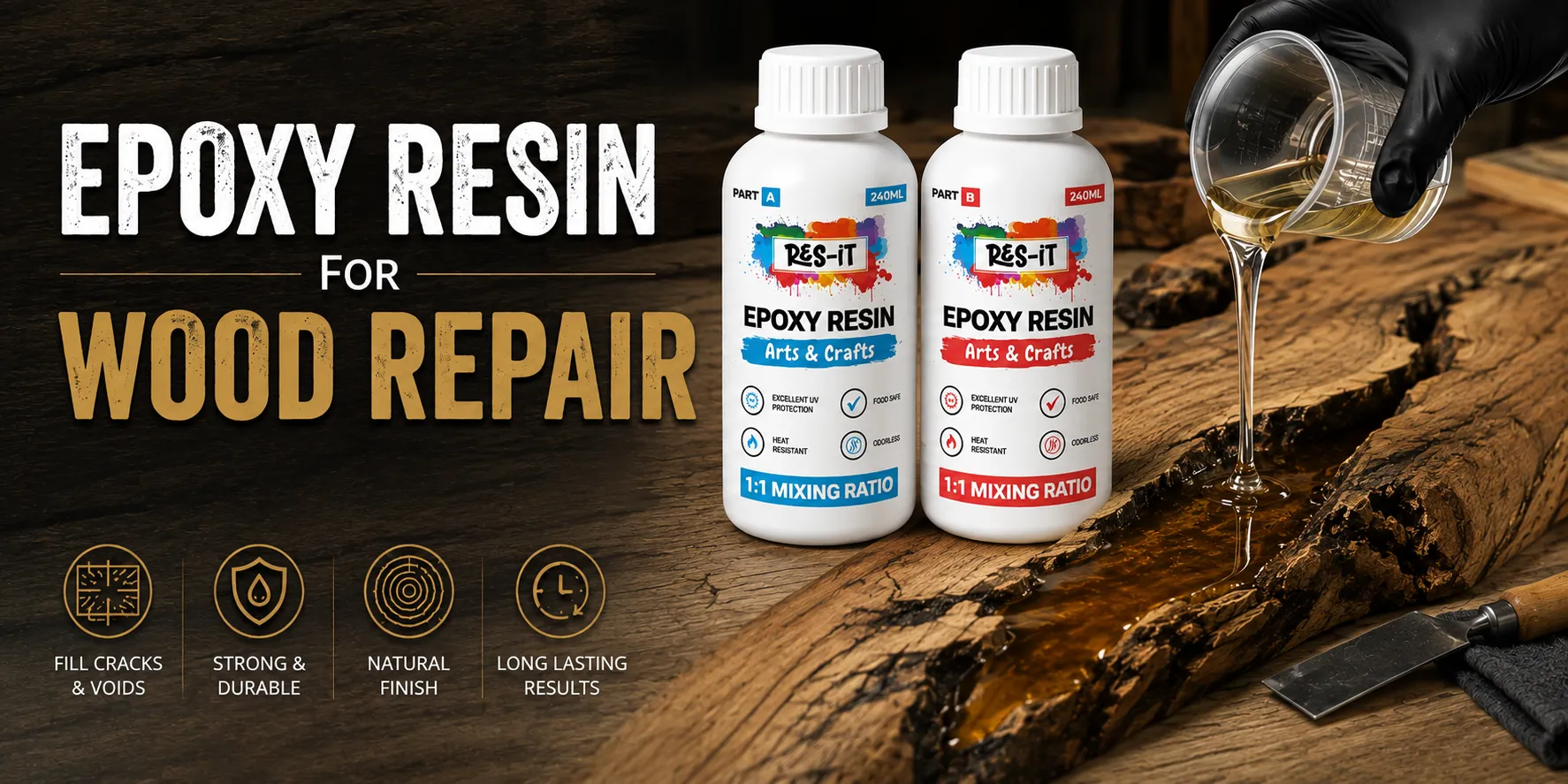
Fortunately, epoxy resin has become one of the most reliable and effective solutions for repairing damaged timber. Its exceptional bonding strength, excellent durability, and resistance to moisture make it ideal for restoring both decorative and structural wooden surfaces.
Whether you are repairing an antique table, restoring a river table, filling cracks in hardwood flooring, or repairing outdoor furniture, this guide will explain everything you need to know about using epoxy resin for wood repair.
Why Use Epoxy Resin for Wood Repair?
Traditional wood fillers often shrink, crack, or fail when exposed to changing environmental conditions. Epoxy resin behaves differently because it penetrates deep into the wood fibres and creates a strong, durable bond.
Once fully cured, epoxy resin provides excellent resistance against moisture, chemicals, impact damage, and temperature fluctuations. This makes it suitable for both indoor and outdoor applications.
The advantages of epoxy resin include:
- Exceptional adhesion to wood surfaces
- Long-lasting durability
- Excellent moisture resistance
- Outstanding clarity for decorative projects
- Easy sanding and polishing
- High resistance to cracking and shrinkage

Res-iT Epoxy Resin 480ml Starter Kit

Res-iT Epoxy Resin 1L Starter Kit

Res-iT 2L Pro Epoxy Resin Kit
Common Wood Problems That Epoxy Resin Can Repair
Epoxy resin is incredibly versatile and can be used for many different repairs.
- Surface cracks
- Knots and voids
- Rotten wood
- Split timber
- Scratches and dents
- Damaged table edges
- Gaps between wooden joints
- Water-damaged surfaces
Many furniture restorers also use epoxy resin to preserve the natural appearance of wood while increasing its overall strength and stability.
Tools and Materials You'll Need
Before beginning your repair project, gather all necessary materials and equipment.
- Epoxy resin and hardener
- Mixing cups
- Wooden stirrers
- Protective gloves
- Dust mask
- Heat gun
- Sandpaper
- Painter's tape
- Measuring scale
- Wood stain or pigment (optional)
How to Repair Cracks in Wood Using Epoxy Resin
Step 1: Clean the Surface
Remove dirt, grease, dust, loose fibres, and damaged material from the affected area. A clean surface ensures maximum adhesion and prevents contamination during curing.
Step 2: Prepare the Wood
Lightly sand the damaged section to create a rough surface that allows the resin to penetrate deeply into the wood grain.
Step 3: Mix the Resin Correctly
Carefully measure the resin and hardener according to the manufacturer's instructions. Accurate measurements are essential for achieving proper curing.
Step 4: Fill the Crack
Slowly pour the epoxy resin into the damaged area. Allow gravity to help the resin penetrate deep into the crack.
For larger gaps, multiple layers may be required to prevent excessive heat buildup during curing.
Step 5: Remove Air Bubbles
Use a heat gun carefully to eliminate trapped air bubbles and create a smooth finish.
Step 6: Allow the Resin to Cure
Depending on temperature, humidity, and resin formulation, curing times can range from twenty-four hours to several days.
How to Repair Rotten Wood with Epoxy Resin
Rotten timber often appears impossible to repair, but epoxy resin can frequently restore the damaged area successfully.
Begin by removing all weakened wood fibres. Once the area is clean and dry, apply a penetrating resin to strengthen the remaining material.
After the base layer cures, fill the damaged area with a thicker epoxy mixture. Once fully cured, sand the surface until it becomes smooth and even.
This method is commonly used to repair:
- Window frames
- Door frames
- Garden furniture
- Wooden beams
- Outdoor structures
Can Epoxy Resin Strengthen Weak Wood?
Yes. Epoxy resin not only repairs damage but also reinforces weakened timber by penetrating the wood's internal structure.
Once cured, the resin creates a protective barrier that reduces moisture absorption while improving overall durability.
This is one reason why epoxy resin has become popular among furniture restorers, woodworkers, and river table builders throughout the United Kingdom.
Common Mistakes to Avoid
Even experienced users occasionally make mistakes when working with epoxy resin.
- Using the wrong mixing ratio
- Pouring excessively thick layers
- Applying resin to damp wood
- Ignoring room temperature and humidity
- Removing tape before the resin begins to cure
- Sanding the surface too early
Avoiding these common mistakes will help ensure a stronger, clearer, and longer-lasting repair.
Professional Tips for Better Results
Store resin in a dry environment with stable temperatures before use. Warming the bottles slightly before mixing can improve flow and reduce air bubbles.
For decorative projects, pigments and mica powders can be added to match the natural appearance of the surrounding wood.
If you are working on large cracks, pour several thin layers instead of one thick layer to minimise the risk of overheating.
Frequently Asked Questions
Can epoxy resin repair large cracks in wood?
Yes. Epoxy resin is one of the most effective materials for filling large cracks because of its excellent strength and low shrinkage properties.
Can epoxy resin be sanded after curing?
Yes. Once fully cured, the surface can be sanded, polished, painted, stained, or coated with additional resin.
How long does epoxy resin take to cure?
Most epoxy resin systems require between twenty-four and seventy-two hours for initial curing, while full curing may take several days.
Is epoxy resin waterproof?
Yes. Properly cured epoxy resin provides excellent resistance to moisture and water exposure.
Final Thoughts
Epoxy resin has transformed the way damaged wood is repaired. Its remarkable strength, durability, moisture resistance, and versatility make it an excellent solution for restoring furniture, flooring, decorative pieces, and structural timber.
Whether you are repairing a small crack or restoring an entire river table, choosing the right epoxy resin and applying it correctly will ensure professional-quality results that last for years.