Step by Step: How to make Epoxy Resin Clear
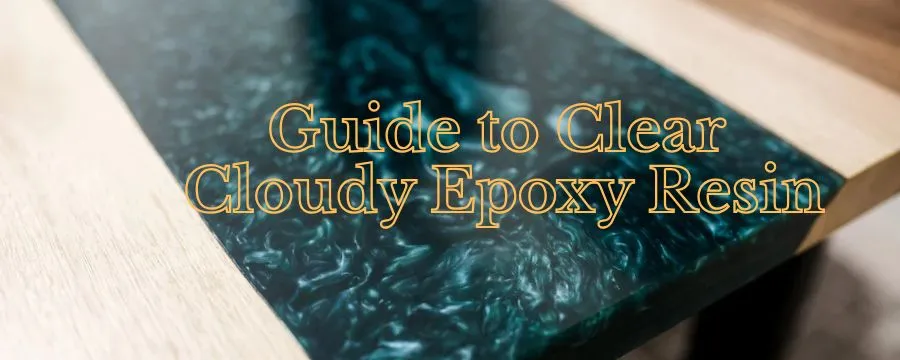
Epoxy resin has found application in art, craft, table tops and in DIY due to its glass-like appearance. However, in some cases the epoxy may appear hazy or cloudy after curing, and this can be a frustrating experience. The good news is that it is possible to fix most cloudy resin issues, and using the right techniques, it is possible to achieve a clear and professional finish. This is a step-by-step, simple procedure that will guarantee you empty clouded epoxy resin and avoid future occurrences of cloudy resin.
Step 1: Learn the reason why Epoxy Resin becomes cloudy
The reason behind the cloudiness will assist you in repairing it in the right way. Common reasons include:
- Air bubbles entrap during mixing: It can be caused by stirring too rapidly or insufficiently.
- Humidity or moisture: Air or material water may result in haze finish.
- Temperature problems: Curing can be influenced by working in either a cold or hot environment.
- Expired or old resin: The resin or hardener exhibiting loss of shelf life can cure off looking cloudy.
Step 2: Warm the Resin Surface
In case the epoxy that you are using is already cured with a hazy finish, warming it a little bit can work:
- Heat gun or hairdryer at a low temperature.
- Slowly move it through the resin to prevent overheating.
- The slightly warm temperature can soften the resin and allow bubbles to reach the surface.
Hint: Do not apply excessive heat; it may lead to yellowing or the destruction of the resin.
Step 3: Apply a Clear Top Layer
To recover the clarity, a new coat of the epoxy may be applied:
- Ensure that the original resin is completely cured.
- Prepare a small amount of epoxy, gradually and thoroughly mixing it in the necessary ratio.
- The resin should be added slowly over the turbid surface.
- There should be a little heat gun or torch work to break the bubbles on the surface.
- This top is capable of giving your work an appearance of complete transparency and smoothness.
Step 4: Severe Cloudiness Sanding and Polishing
In resin that refuses to become clear when a top layer is applied:
- Wipe the surface using sandpaper of a fine grit. Begin with 400- 600 grit and proceed to 1000-2000 grit.
- Rubbing compound or epoxy polish can be used to polish the surface again.
- Additional layer of epoxy can be applied to seal it and make it clearer, optionally.
Step 5: Prevention of cloudy epoxy in the future
- Blend resin gradually and properly for at least 2-3 minutes.
- Operate in a temperature-controlled and dry work environment (20–25°C is ideal).
- Fresh, high-quality resin and hardener should be used.
- Store moisture off your working surface and supplies.
- Do not stir too vigorously, as this entraps air bubbles.
FAQs
Why does epoxy resin become cloudy after curing?
Cloudiness can be caused by trapped air bubbles, moisture or humidity, unsuitable temperatures, or old or expired resin and hardener. Identifying the cause first makes it easier to choose the right solution.
Can cloudy epoxy resin be made clear again?
Yes, in many cases. Depending on the cause and severity, you may be able to improve clarity by gently warming the surface, applying a clear top layer, or sanding and polishing the affected area.
Can heat make cloudy epoxy resin clear?
Gentle heat may help release trapped bubbles and improve the appearance of some resin surfaces. Use a heat gun or hairdryer on a low setting and keep it moving to avoid overheating, yellowing, or damaging the resin.
How can I fix severely cloudy epoxy resin?
For severe cloudiness, carefully sand the surface starting with around 400–600 grit and gradually moving to 1000–2000 grit. After sanding, use a suitable rubbing compound or epoxy polish. A fresh clear epoxy layer can also be applied if required.
Does humidity make epoxy resin cloudy?
Yes. Moisture and high humidity can contribute to a hazy or cloudy finish. Working in a dry, temperature-controlled environment can help reduce the risk of cloudiness.
How do I prevent cloudy epoxy resin?
Mix the resin gradually and thoroughly for 2–3 minutes, avoid aggressive stirring that can trap air, keep your workspace around 20–25°C, and make sure your resin, hardener, tools, and working surface are free from moisture.
Can old epoxy resin cause cloudiness?
Yes. Old or expired resin and hardener may cure with an undesirable appearance, including cloudiness. Using fresh, high-quality resin and hardener can help achieve a clearer finish.
Can I apply a clear epoxy topcoat over cloudy resin?
Yes, provided the existing resin is completely cured and the surface is properly prepared. A carefully mixed clear epoxy topcoat can improve the surface appearance and provide a smoother, more transparent finish.
Final Thoughts
Many believe that it is difficult to clear cloudy epoxy resin. A smooth surface, warmed, covered with a clear superficial coating, or sanded and polished, will give a perfect transparent surface. These steps will not only eliminate cloudiness, but will also stop cloudiness in further projects, and your resin art and crafts will always appear like professional, polished-looking work.
With this guideline, you can transform even an epoxy disaster into a beautiful masterpiece that lasts years even when it is cloudy.