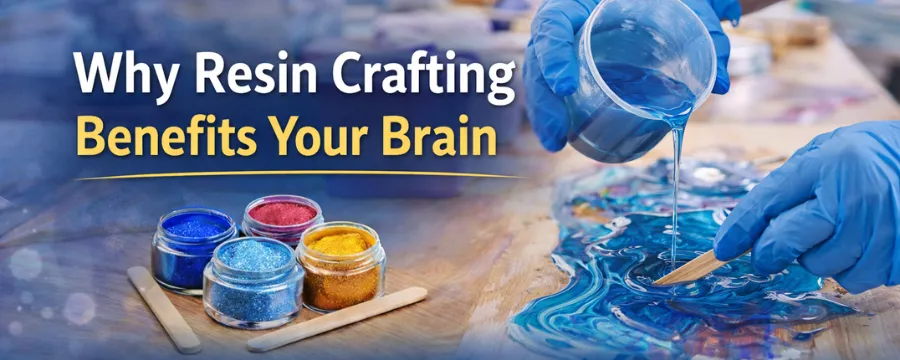
Why Resin Crafting Is Good for Your Brain
Resin crafting has become one of the fastest-growing creative hobbies in the UK, attracting artists, DIY enthusiasts, and beginners looking for a relaxing way to express themselves. From colourful coasters and jewellery to stunning river tables and ocean-inspired artwork, Epoxy Resin offers endless creative possibilities. However, beyond creating beautiful handmade pieces, resin crafting may also provide several mental wellbeing benefits that make it an enjoyable hobby for many people.
Modern lifestyles often involve long hours in front of screens, busy schedules, and constant distractions, which can contribute to stress and mental fatigue. Spending time on creative activities encourages people to slow down, focus on a single task, and enjoy the satisfaction of making something with their own hands. Resin art naturally combines creativity, concentration, and patience, making it a rewarding activity for people of all experience levels.
While resin crafting is not a medical treatment or a substitute for professional mental health care, research suggests that engaging in creative hobbies can improve mood, reduce stress, and support overall psychological wellbeing. This guide explores how resin crafting may positively affect the brain, why many people find it relaxing, and how developing creative skills can contribute to a healthier lifestyle.
How Creative Hobbies Support Brain Health
Creative hobbies have long been associated with improved emotional wellbeing and cognitive engagement. Activities such as painting, pottery, knitting, woodworking, and resin art encourage the brain to remain active by combining imagination with practical problem-solving. Each project requires planning, decision-making, and attention to detail, which stimulates different areas of the brain simultaneously.
According to organisations such as the American Psychological Association (APA), participating in creative activities may help reduce everyday stress, improve emotional resilience, and encourage positive mental health. Likewise, Harvard Health Publishing has discussed how hobbies that require concentration and creativity can promote relaxation while giving the mind a healthy break from daily pressures.
Resin crafting is particularly engaging because it combines colour selection, precise measuring, careful mixing, and artistic design into one enjoyable process. Rather than focusing on external distractions, the mind becomes fully engaged in creating something unique, helping many people experience greater satisfaction and mental clarity.
Resin Crafting Encourages Deep Focus
One of the biggest mental benefits of resin crafting is the level of concentration it requires. Every stage of the process—from accurately measuring resin and hardener to mixing pigments and pouring decorative layers—demands careful attention. Small details can influence the final result, encouraging artists to stay fully engaged throughout the project.
This focused attention helps reduce mental clutter by directing thoughts toward a single creative task instead of multiple daily concerns. Many resin artists describe losing track of time while working, becoming completely immersed in the creative process. Psychologists often refer to this experience as a "flow state," a condition where a person becomes deeply absorbed in an activity that is both enjoyable and appropriately challenging.
Research on flow experiences suggests they are linked with greater enjoyment, improved motivation, and increased satisfaction after completing creative tasks. While everyone's experience is different, many hobbyists report feeling calmer and more refreshed after spending time creating resin artwork.
How Resin Crafting May Help Reduce Everyday Stress
Stress is a natural part of life, but regularly participating in relaxing hobbies can help people manage it more effectively. Resin crafting involves slow, repetitive movements such as measuring, stirring, pouring, and watching colours blend together. These gentle, repetitive actions encourage many people to slow down and become more aware of the present moment.
Watching transparent resin transform into a glossy finished artwork also provides a satisfying visual experience. Mixing colours, creating ocean waves, or designing abstract patterns gives the brain something positive to focus on, helping shift attention away from work-related worries or digital distractions. This mindful approach is one reason creative hobbies are frequently recommended as part of a balanced lifestyle.
Although resin art should not be viewed as a medical treatment for anxiety or depression, many people consider it a relaxing hobby that supports emotional wellbeing alongside other healthy habits such as regular exercise, quality sleep, and social interaction.
What Makes Resin Crafting Relaxing?
- Encourages deep concentration on one enjoyable task.
- Provides a break from screens and digital distractions.
- Combines creativity with practical problem-solving.
- Offers visual satisfaction as colours and patterns develop.
- Helps many people feel productive after completing a project.
- Can be enjoyed individually or as a shared family activity.
Sources referenced in this section:
- Harvard Health Publishing – Creative hobbies and wellbeing.
- American Psychological Association (APA) – Stress management and psychological wellbeing.
- NHS Every Mind Matters – Mental wellbeing through healthy lifestyle habits.
Resin Crafting Supports Problem-Solving and Cognitive Skills
Creating resin art is much more than simply mixing two liquids together. Every project requires planning, organisation, and decision-making before the first pour even begins. Artists need to calculate resin quantities, prepare moulds or wooden surfaces, choose compatible pigments, and understand curing times. These small decisions encourage the brain to think logically while remaining creative.
Many resin projects also involve adapting to unexpected situations. Air bubbles, colour changes, uneven surfaces, or environmental factors such as temperature may require adjustments during the creative process. Learning how to identify problems and apply practical solutions strengthens critical thinking skills while improving confidence for future projects.
Over time, repeating these creative processes helps build experience and familiarity with different techniques. Whether making jewellery, serving boards, coasters, or river tables, each completed project develops both artistic ability and practical problem-solving skills.
Creativity Can Improve Mood and Motivation
Completing a creative project often provides a genuine sense of achievement. Watching liquid resin transform into a glossy finished piece gives many artists a rewarding feeling because they can immediately see the results of their patience and effort. This sense of accomplishment encourages motivation and inspires people to continue learning new techniques.
Psychologists have suggested that creative activities may activate the brain's reward system, contributing to positive emotions after completing meaningful tasks. While everyone's experience is different, many hobbyists describe feeling happier, more relaxed, and more confident after finishing a resin project that reflects their own creativity.
Unlike activities that provide only short-term entertainment, creative hobbies produce something tangible that people can display, gift, or even sell. This combination of creativity and achievement often makes resin crafting a particularly satisfying pastime.
Resin Art Encourages Mindfulness
Mindfulness means paying full attention to the present moment without becoming distracted by worries about the past or future. Many aspects of resin crafting naturally encourage this type of focused awareness because every stage requires patience, observation, and careful timing.
Artists often pay close attention to resin consistency, pigment blending, bubble removal, surface levelling, and curing conditions. Remaining focused on these small details helps reduce mental distractions and encourages calm concentration throughout the project. Rather than rushing, resin art rewards patience and careful observation.
Research into mindfulness practices suggests that activities requiring sustained attention may help people manage everyday stress more effectively. Although resin crafting is not formally considered meditation, many artists report experiencing similar feelings of relaxation while working on detailed resin projects.
Learning Resin Crafting Builds Confidence
Every new resin project teaches valuable skills. Beginners gradually learn accurate measuring, colour theory, mixing techniques, mould preparation, sanding, polishing, and finishing methods. As these abilities improve, confidence naturally grows because each completed project demonstrates visible progress.
Developing practical creative skills also encourages a growth mindset. Instead of fearing mistakes, experienced resin artists often treat imperfections as learning opportunities. Small problems such as trapped bubbles or uneven pours become valuable lessons that improve future projects rather than reasons to stop creating.
This gradual improvement helps many people become more patient with themselves while developing resilience, persistence, and confidence both inside and outside their creative hobbies.
The Sensory Experience Makes Resin Art Enjoyable
One reason resin crafting feels so satisfying is the rich sensory experience it provides. Watching transparent resin flow across a surface, blending vibrant pigments, and seeing glossy reflections develop creates strong visual interest throughout the creative process. These changing patterns make every project unique.
Many artists also enjoy the smooth texture of cured resin and the dramatic transformation that occurs during curing. Removing a finished coaster from its mould or revealing a polished river table provides a rewarding moment that many hobbyists look forward to with every project.
These positive sensory experiences are one reason resin art continues to grow in popularity among artists, DIY enthusiasts, and people looking for enjoyable creative hobbies.
Ways Resin Crafting Engages the Brain
| Creative Activity | Potential Mental Benefit |
|---|---|
| Planning a project | Improves organisation and decision-making. |
| Measuring and mixing resin | Develops concentration and attention to detail. |
| Creating colour combinations | Encourages creativity and visual thinking. |
| Removing bubbles and finishing | Builds patience and careful observation. |
| Completing a project | Provides a sense of achievement and motivation. |
Evidence supporting creative hobbies:
- American Psychological Association (APA) – Creative expression and emotional wellbeing.
- Harvard Health Publishing – Benefits of hobbies for stress reduction and healthy ageing.
- NHS Every Mind Matters – Looking after mental wellbeing through enjoyable activities.
Resin Crafting Can Encourage Patience and Emotional Resilience
Unlike many modern activities that provide instant results, resin crafting teaches patience. Every stage of the process—from measuring and mixing to pouring and curing—requires careful timing. Artists cannot rush the curing process without affecting the final quality, making patience an essential part of every successful project.
Learning to wait for resin to cure also encourages emotional resilience. Instead of expecting immediate results, creators gradually become more comfortable with planning ahead and trusting the process. This ability to delay gratification is considered an important life skill that can support better decision-making and emotional control.
Even when mistakes happen, such as trapped bubbles or uneven finishes, resin artists often learn to correct problems rather than starting over. This problem-solving mindset helps build confidence and encourages continuous learning through experience.
Resin Crafting Provides a Healthy Break from Screens
Many people spend several hours each day using computers, mobile phones, or other digital devices for work and entertainment. Although technology offers many benefits, excessive screen time may contribute to eye strain, mental fatigue, and reduced concentration. Creative hobbies provide an opportunity to step away from digital distractions and engage in hands-on activities instead.
Resin crafting encourages people to use their hands, observe physical materials, and interact with colours, textures, and tools rather than digital content. This change of environment helps many hobbyists feel refreshed while giving the brain an opportunity to focus on something practical and enjoyable.
Creating a regular crafting routine, even for one or two hours each week, can become part of a balanced lifestyle that includes exercise, quality sleep, healthy eating, and social interaction.
Why Resin Crafting Continues to Grow in Popularity
Resin art has become increasingly popular because it combines creativity with practical skills. People enjoy producing handmade items that are both beautiful and functional, including serving boards, jewellery, coasters, trays, wall art, furniture, and personalised gifts. Every project is unique, giving artists complete creative freedom.
The growing popularity of DIY culture, handmade products, and home décor has also encouraged more beginners to explore epoxy resin. Online tutorials, workshops, and creative communities make it easier than ever to learn new techniques while sharing ideas with other resin artists.
Many hobbyists also appreciate that resin crafting can develop into a long-term creative hobby or even a small business. Whether creating projects for personal enjoyment or selling handmade products, the creative process itself often remains one of the most rewarding aspects.
Choosing Quality Materials Creates a Better Crafting Experience
The quality of your materials has a significant impact on your overall resin crafting experience. Reliable epoxy resin, accurate measuring tools, clean mixing equipment, and suitable safety accessories help reduce common problems such as bubbles, sticky surfaces, or uneven curing. Better materials often make learning easier, particularly for beginners.
Rather than focusing on purchasing the most expensive products, choose materials that are appropriate for your specific project. Reading the manufacturer's instructions, measuring accurately, and working within the recommended temperature range are equally important for achieving consistent results.
If you are looking for resin supplies, consider choosing products designed specifically for art and DIY projects. Using quality materials can reduce frustration and help you enjoy the creative process with greater confidence.
Conclusion
Resin crafting offers much more than an opportunity to create attractive artwork. It combines creativity, concentration, planning, patience, and practical problem-solving into one enjoyable activity. For many people, these experiences provide a welcome break from busy daily routines while encouraging relaxation and personal achievement.
Although resin art is not a substitute for professional medical or mental health care, scientific research continues to show that participating in creative hobbies can positively support emotional wellbeing, reduce everyday stress, and encourage healthy cognitive engagement. Combined with a balanced lifestyle, creative activities may become an enjoyable part of maintaining overall mental wellness.
Whether you are creating your very first coaster or a large river table, the greatest benefit often comes from enjoying the creative journey itself. Every project teaches new skills, builds confidence, and reminds us that making something by hand can be both rewarding and relaxing.
References
- American Psychological Association (APA) – Research on stress management, creativity, and emotional wellbeing.
- Harvard Health Publishing – Articles discussing the mental health benefits of hobbies and creative activities.
- NHS Every Mind Matters – Guidance on maintaining good mental wellbeing through healthy daily habits.
- World Health Organization (WHO) – Information on mental health promotion and wellbeing.
- Frontiers in Psychology – Peer-reviewed studies examining creativity, mindfulness, and cognitive function.
Frequently Asked Questions (FAQs)
-
Q: Is resin crafting good for mental health?
A: Resin crafting can be a relaxing creative hobby that supports overall mental wellbeing. Many people find that focusing on mixing, pouring, and designing resin artwork helps them take a break from everyday stress while encouraging mindfulness and creativity.
Although resin crafting is not a medical treatment for anxiety, depression, or other mental health conditions, research suggests that creative hobbies may improve mood, reduce stress, and promote emotional wellbeing when enjoyed regularly as part of a balanced lifestyle.
-
Q: Why does resin crafting improve concentration?
A: Resin projects require careful measuring, colour selection, mixing, pouring, and timing. These activities demand sustained attention, helping many artists stay focused on one task without constant distractions.
Over time, practising these creative skills may improve attention to detail, problem-solving abilities, and overall confidence when completing increasingly complex resin projects.
-
Q: Can beginners enjoy the mental benefits of resin art?
A: Yes. Beginners can experience the same enjoyment and satisfaction as experienced artists because the creative process itself provides many of the benefits. Even simple projects such as coasters or bookmarks encourage concentration and creativity.
Starting with beginner-friendly resin kits and following clear instructions allows new artists to build confidence while learning essential techniques at their own pace.
-
Q: How often should I do resin crafting?
A: There is no fixed schedule for resin crafting. Some people enjoy working on small projects every weekend, while others prefer longer creative sessions once or twice each month.
The most important factor is consistency. Making time for enjoyable hobbies regularly can help maintain creativity, reduce everyday stress, and provide a healthy break from work or screen time.
-
Q: Is resin crafting suitable for children?
A: Epoxy Resin should always be used according to the manufacturer's safety instructions. Children should only take part in resin projects under close adult supervision using appropriate protective equipment.
Parents should ensure good ventilation, provide suitable safety gear, and keep resin products away from young children when they are not being used.
-
Q: What safety equipment should I use when working with epoxy resin?
A: Wearing nitrile gloves, a respirator mask, and protective clothing helps reduce contact with uncured resin while creating a safer working environment.
Working in a well-ventilated area, following the recommended mixing ratios, and reading the manufacturer's instructions before starting every project will help achieve safer and more reliable results.
Key Takeaways
- Resin crafting combines creativity with practical problem-solving.
- Creative hobbies may support emotional wellbeing and reduce everyday stress.
- Resin art encourages focus, patience, and mindfulness.
- Learning new resin techniques builds confidence over time.
- Using quality materials and proper safety equipment improves the crafting experience.
- Regular creative activities can become part of a healthy, balanced lifestyle.
Final Thoughts
Resin crafting is more than simply producing beautiful artwork. It encourages creativity, patience, concentration, and continuous learning while providing an enjoyable escape from everyday routines. Whether you create resin projects as a relaxing hobby or develop your skills into a small business, the creative journey itself can be incredibly rewarding.
Combined with healthy daily habits such as regular exercise, quality sleep, social interaction, and balanced nutrition, creative hobbies like resin art can contribute to overall wellbeing. Most importantly, they provide an opportunity to slow down, focus on the present moment, and enjoy the satisfaction of making something unique with your own hands.