Step-by-Step Guide for a Perfect Professional Look
Finishing is the step that turns your resin project from “homemade” to professional-quality. Whether you’re making coasters, jewellery, trays, or tables, the final touches like sanding, polishing, and sealing make all the difference.
This guide is written in simple, practical language so you can follow it easily, even if you’re a beginner. By the end, you’ll know exactly how to finish your resin piece for a smooth, glossy, and durable result.
Why Finishing Your Resin Piece Matters
Proper finishing:
- Removes rough edges and imperfections
- Enhances shine and clarity
- Improves durability
- Gives a professional, sellable look
- Helps your product stand out in the UK resin market
If you skip finishing, even a good resin pour can look dull or uneven.
Tools & Materials You’ll Need
Before you start, gather these tools:
- Sandpaper (grits from 80 to 3000)
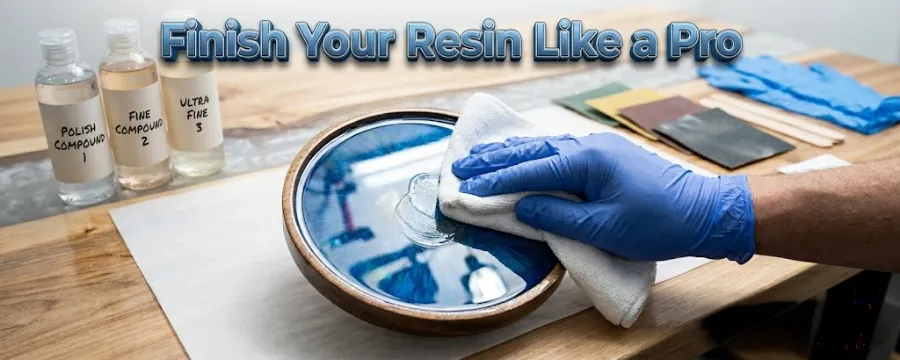
- Polishing compound or resin polish
- Microfiber cloth
- Water (for wet sanding)
- Protective gloves and mask
- Soft buffing pad or machine (optional)
Step 1: Check if Your Resin is Fully Cured
Before finishing, make sure your resin is completely cured.
Signs your resin is ready
- Hard and solid (not sticky)
- No fingerprints when pressed
- Edges are firm
Most epoxy resin takes 24–72 hours to cure, depending on temperature and product type.
Step 2: Start Sanding the Resin Surface
Start with coarse grit
- Use 80–120 grit to remove sharp edges
- Fix drips and uneven surfaces
Then move to finer grits
- 240 grit
- 400 grit
- 800 grit
- 1500+ grit
Always move gradually to avoid scratches.
Wet Sanding (Recommended)
- Dip sandpaper in water
- Sand gently in circular motion
- Keep surface wet
Benefits:
- Reduces dust
- Prevents overheating
- Gives smoother finish
Step 3: Clean the Surface Properly
- Wash with clean water
- Dry with a soft cloth
- Remove all dust particles
Any leftover dust can ruin your final finish.
Step 4: Polish for a Glossy Finish
Hand Polishing
- Apply small amount of polish
- Rub using microfiber cloth
- Use circular motion
Machine Polishing (Faster)
- Use buffing pad
- Apply polishing compound
- Move evenly across surface
- Crystal clear finish
- Deep glossy shine
- Professional appearance
Step 5: Apply a Final Top Coat (Optional but Recommended)
Why use a top coat
- Covers sanding marks
- Adds extra shine
- Protects surface
How to apply
- Mix a small batch of resin
- Pour a thin layer
- Spread evenly
- Remove bubbles with heat gun
Step 6: Fix Edges and Corners
- Sand edges smooth
- Round sharp corners
- Polish edges like the surface
Common Mistakes to Avoid
- Sanding too fast (creates scratches)
- Skipping grit levels
- Not cleaning before polishing
- Polishing before full cure
- Using too much pressure
Tips for a Professional Resin Finish
- Work in a dust-free area
- Use proper lighting to spot imperfections
- Always sand evenly
- Use high-quality resin products
- Practice on small pieces first
Best Finishing Method Based on Project Type
For Coasters
- Sand edges carefully
- Add top coat for shine
For Jewellery
- Use very fine grit (up to 3000)
- Hand polish for precision
For Tables & Large Pieces
- Machine sanding and polishing recommended
- Apply thick top coat
How Long Does the Finishing Process Take
- Small items: 1–2 hours
- Medium items: 2–4 hours
- Large surfaces: 1 full day
Is Finishing Necessary for Every Resin Project
- Surface is already perfect from mould
- No sharp edges or defects
But for selling products, finishing is strongly recommended.
Frequently Asked Questions About Finishing Resin Projects
How long should epoxy resin cure before sanding?
Epoxy resin should be fully cured before sanding. Depending on the resin type, temperature, humidity, and project thickness, this can typically take 24–72 hours or longer. Always follow the curing instructions provided by the resin manufacturer.
What grit sandpaper is best for epoxy resin?
Start with a coarse grit such as 80–120 for removing drips, rough edges, or major imperfections. Gradually move through 240, 400, 800, 1500 and finer grits to achieve a smooth surface suitable for polishing.
Should I wet sand epoxy resin?
Yes, wet sanding is an effective way to achieve a smoother epoxy surface. It helps reduce dust, limits heat buildup, and produces a more even finish. Use progressively finer grits and keep the sanding surface adequately wet.
How do I make epoxy resin glossy again after sanding?
After sanding, clean the surface thoroughly and use a suitable resin polishing compound with a microfiber cloth or buffing pad. Work gradually until the sanding marks disappear and the desired gloss returns.
Can I polish epoxy resin before it is fully cured?
No. Polishing before the resin has fully cured can damage the surface and prevent you from achieving a consistent finish. Allow the epoxy to reach its recommended full cure before sanding or polishing.
Do I need a top coat after polishing epoxy resin?
A top coat is not always necessary if the polished surface is already smooth and durable. However, a suitable clear top coat can add extra protection, restore gloss, and help cover very fine surface imperfections.
How can I remove scratches from cured epoxy resin?
Light scratches can usually be improved by progressively wet sanding with finer grits and then polishing the surface. Deeper scratches may require more extensive sanding followed by a fresh thin coating of suitable resin.
Why does my polished epoxy resin look cloudy?
Cloudiness can be caused by incomplete sanding, leftover sanding residue, moisture, contamination, or polishing with an unsuitable product. Clean the surface thoroughly and continue with progressively finer sanding before polishing again.
How do I get smooth epoxy resin edges?
Sand the edges gradually, starting with a suitable coarse grit for rough areas and progressing to finer grits. Finish by polishing the edges with a microfiber cloth or suitable buffing pad to match the main surface.
What is the best way to finish resin jewellery?
For resin jewellery, use fine-grit sandpaper and carefully wet sand the edges and surface. Progress to very fine grits before hand polishing. This gives small pieces a smooth, clear and professional appearance without removing unnecessary material.
Final Thoughts
Finishing your resin piece is where the real magic happens. It’s the difference between a basic DIY project and a high-quality, professional product.
By following the right steps sanding, cleaning, polishing, and sealing you can create resin pieces that look stunning, last longer, and attract more customers.