How Long Does Epoxy Resin Last? Here's What Decides it
Epoxy resin is known for its strength, glossy finish, and long-lasting durability. Whether you're creating resin art, coating a tabletop, making jewellery, or building a river table, one question often comes up:
How long does epoxy resin last?
The good news is that high-quality epoxy resin can last for many years. In fact, when mixed correctly and protected from harsh conditions, epoxy resin can remain strong and attractive for 10 years or more.
However, not all resin projects age the same way. Several factors can affect the lifespan of epoxy resin, from UV exposure to installation conditions. In this guide, we'll explain what influences epoxy resin longevity and how you can help your projects last as long as possible.

Res-iT Epoxy Resin 240ml Starter Kit
Res-iT Epoxy Resin 4L Pro Kit

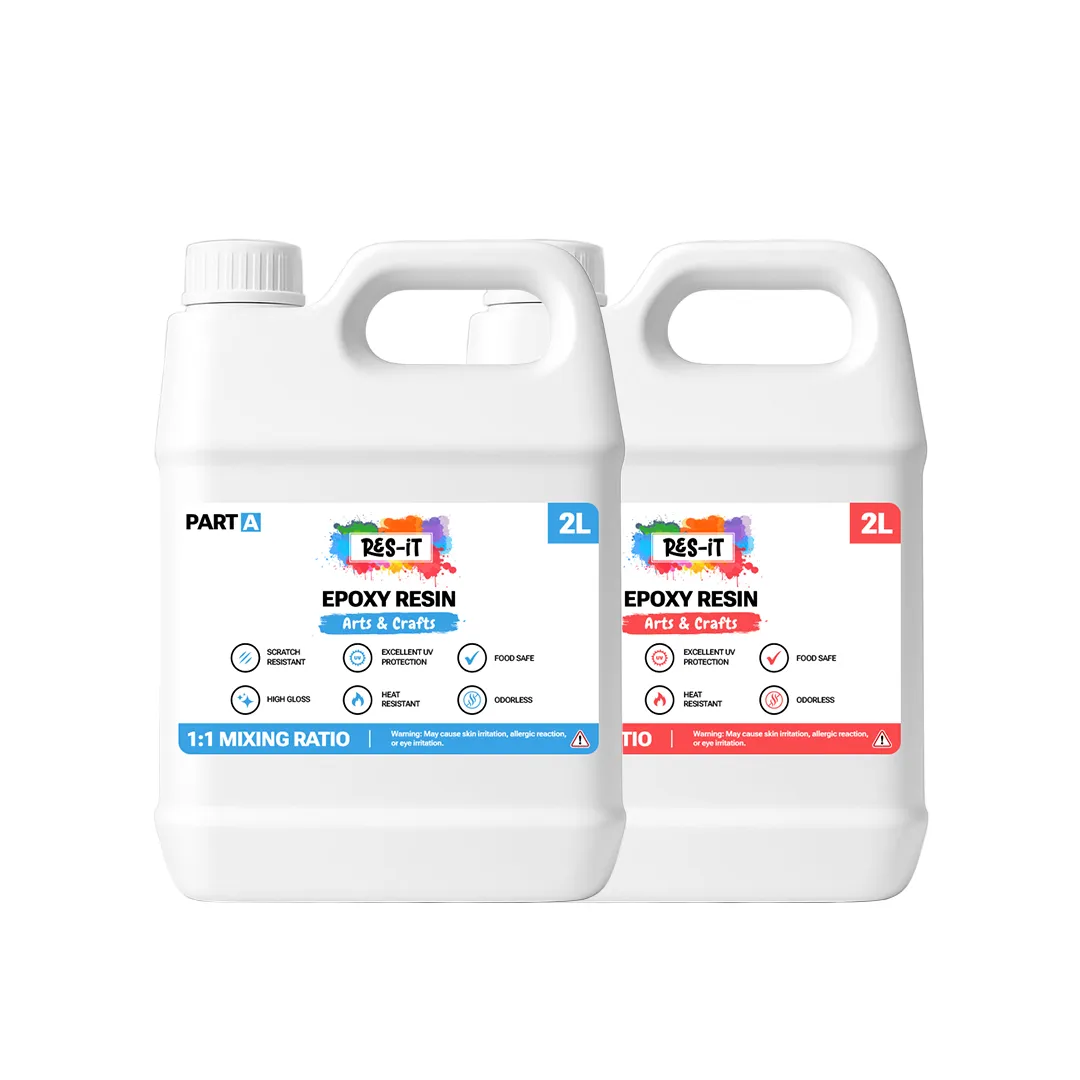
Res-iT 2L Pro Epoxy Resin Kit
What Is the Typical Lifespan of Epoxy Resin?
The lifespan of epoxy resin depends on where and how it is used.
In indoor environments, a well-made epoxy resin project can often last 10–20 years or even longer with proper care. Resin used for artwork, furniture, countertops, and decorative pieces generally experiences less wear and environmental stress than outdoor applications.
Outdoor projects may have a shorter lifespan because they are exposed to sunlight, temperature changes, rain, and moisture.
Typical epoxy resin lifespan:
- Indoor resin art: 10–20+ years
- River tables: 10–20+ years
- Countertops: 10–15 years
- Jewellery and crafts: 5–15 years
- Outdoor projects: 5–10 years depending on exposure
The quality of the resin and the way it is applied play a major role in determining how long it lasts.
Can Epoxy Resin Last More Than 10 Years?
Yes, epoxy resin can absolutely last more than 10 years.
Many resin projects created a decade ago still look excellent today. The key is using a high-quality epoxy resin with good UV protection and following proper mixing and curing instructions.
Projects are more likely to last beyond 10 years when:
- The resin is mixed accurately.
- The correct curing temperature is maintained.
- UV-resistant resin is used.
- The project is kept away from prolonged direct sunlight.
- The surface is cleaned and maintained properly.
When these conditions are met, epoxy resin remains durable, glossy, and structurally sound for many years.
Factors That Affect Epoxy Resin Longevity
Several factors determine how long epoxy resin lasts.
UV Exposure
Sunlight is one of the biggest challenges for epoxy resin.
Over time, ultraviolet (UV) rays can cause:
- Yellowing
- Fading
- Loss of clarity
- Surface degradation
Modern epoxy resin formulas often contain UV stabilisers that slow this process, but no epoxy resin is completely immune to long-term UV exposure.
For outdoor projects, choosing a resin with strong UV resistance is essential.
Temperature Changes
Frequent temperature fluctuations can affect resin over time.
Extreme heat may soften the surface, while repeated expansion and contraction can create stress within the material.
To maximise durability:
- Avoid placing resin near direct heat sources.
- Use heat-resistant epoxy resin for tabletops and work surfaces.
- Protect outdoor resin projects from excessive weather exposure.
Moisture and Humidity
Humidity can affect epoxy resin during both application and long-term use.
High moisture levels during curing may result in:
- Cloudy finishes
- Surface imperfections
- Reduced strength
Once fully cured, epoxy resin offers excellent moisture resistance, but keeping projects dry whenever possible helps extend their lifespan.
Mixing Accuracy
Incorrect mixing is one of the most common causes of resin failure.
If the resin and hardener are not measured correctly, the cured surface may become:
- Soft
- Sticky
- Brittle
- Prone to premature deterioration
Always follow the manufacturer's recommended mixing ratio and stir thoroughly.
Resin Quality
Not all epoxy resin products are made to the same standard.
Higher-quality resins generally offer:
- Better UV resistance
- Improved clarity
- Stronger durability
- Greater scratch resistance
- Longer lifespan
Investing in quality resin often leads to better long-term results and fewer issues over time.
Does Epoxy Resin Yellow Over Time?
Yes, epoxy resin can yellow over time, especially when exposed to sunlight.
Yellowing is a natural process caused by UV radiation and oxidation. However, modern epoxy resin formulations have improved significantly and can resist yellowing for much longer than older products.
To reduce yellowing:
- Use UV-resistant epoxy resin.
- Keep projects out of direct sunlight when possible.
- Apply UV-protective topcoats if needed.
- Store finished items in a controlled environment.
Indoor resin projects typically remain clear for many years when properly cared for.
How Long Does Epoxy Resin Last Outdoors?
Outdoor conditions are much harsher on epoxy resin than indoor environments.
Factors such as:
- Direct sunlight
- Rain
- Humidity
- Frost
- Heat
can gradually affect the appearance and performance of resin surfaces.
Most outdoor epoxy resin projects can last between 5 and 10 years, although this varies depending on climate and maintenance.
For maximum outdoor durability:
- Choose a UV-resistant resin.
- Apply protective coatings when appropriate.
- Clean surfaces regularly.
- Avoid prolonged exposure to standing water.
How to Make Epoxy Resin Last Longer
If you want your epoxy resin project to remain beautiful for years, follow these simple tips:
Use High-Quality Resin
Premium epoxy resin products are formulated for better performance and longevity.
Measure Accurately
Always follow the recommended mixing ratio to ensure proper curing.
Maintain Proper Temperature
Work within the manufacturer's recommended temperature range during application and curing.
Protect Against UV Exposure
Keep resin projects away from direct sunlight whenever possible.
Clean Regularly
Use a soft cloth and mild soap to remove dirt and maintain the glossy finish.
Avoid Harsh Chemicals
Strong solvents and abrasive cleaners can damage the resin surface over time.
Signs That Epoxy Resin Is Deteriorating
Even durable epoxy resin can eventually show signs of wear.
Common indicators include:
- Yellowing
- Loss of gloss
- Surface scratches
- Cracking
- Cloudiness
- Soft or sticky areas
If these issues appear, refinishing or recoating the surface may help restore its appearance.
Frequently Asked Questions
How Long Does Epoxy Resin Last Indoors?
Indoor epoxy resin projects can often last between 10 and 20 years or more when properly maintained.
Can Epoxy Resin Last Forever?
No material lasts forever. However, epoxy resin can remain functional and attractive for decades under the right conditions.
Does Epoxy Resin Become Brittle With Age?
High-quality epoxy resin generally remains durable for many years, but prolonged UV exposure and environmental stress can eventually cause brittleness.
Is Epoxy Resin Waterproof?
Fully cured epoxy resin is highly water-resistant and suitable for many applications where moisture protection is required.
Does UV-Resistant Epoxy Resin Stop Yellowing Completely?
No. UV-resistant resin helps slow yellowing significantly, but it cannot eliminate the process entirely.
How Can I Make My Epoxy Resin Project Last Longer?
Use high-quality resin, follow correct mixing instructions, avoid direct sunlight, and clean the surface regularly.
Conclusion
So, can epoxy resin last 10+ years?
In many cases, yes. High-quality epoxy resin can easily last a decade or more when it is mixed correctly, cured under the right conditions, and protected from excessive UV exposure.
The lifespan of epoxy resin ultimately depends on factors such as resin quality, sunlight exposure, temperature, moisture, and ongoing maintenance. By understanding these factors and following best practices, you can enjoy beautiful, durable resin projects that stand the test of time.