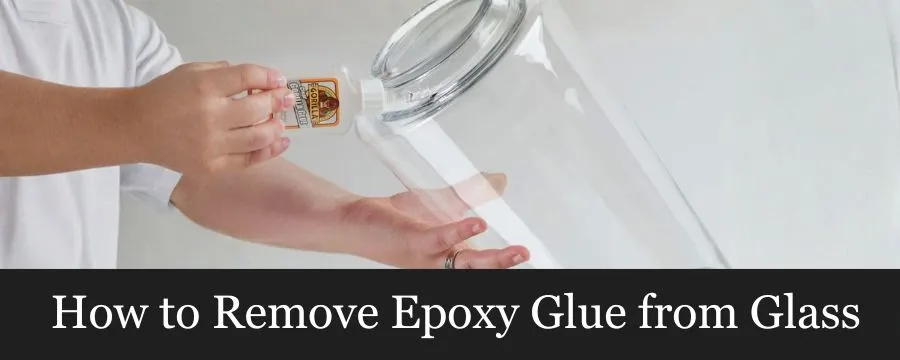
Epoxy glue is a very powerful adhesive and it may be difficult to get off and particularly on smooth surfaces such as glass. It is essential to remove the epoxy that you have spilled accidentally during the crafting process or remove it after repairing something to prevent scratches or destruction. In this tutorial, we will demonstrate how to remover epoxy glue on glass in an easy and painless way.
Gather Your Supplies
Before you begin with it you will need the following materials:
- Plastic scraper/ credit card (do not use metal so that it is not scratched)
- Acetone or nail polish remover with acetone.
- Warm soapy water
- Clean cloths or paper towels
- Rubber gloves
Soften the Epoxy Glue
Epoxy is highly hardened after curing, however, it is softened by heat or chemical:
- Applying Heat: Warm the epoxy with a hairdryer carefully. The glue gets soft, and it becomes very simple to remove, due to the heat.
- Applying Acetone: Put on a cloth a small amount of acetone and put a dab on the epoxy. It can be dissolved using acetone and removed easily.
Scrape Off the Glue
After the epoxy has been softened, use a plastic scraper/old credit card to peel the glue off. Take time and do not use metal scrapers as they have the ability to scratch the surface of the glass. In intractable spots, use increased heat or acetone and re-attempt.
Clean the Glass Surface
Once the greater portion of epoxy has been removed, clean the glass using warm soapy water to clean any remaining residues. Use a clean and damp cloth to wipe the area and dry using soft towel.
Last Tips on Hard Epoxy Stains
In extremely small or hardened spots, it can be difficult to get a cotton ball to absorb the acetone and press it onto the epoxy in a few minutes.
- Do not use rough instruments such as a knife or a scraper metal on the glass.
- When handling acetone, always do it in a well-ventilated place.
Common Mistakes to Avoid
Many people damage glass while trying to remove epoxy. Avoid these mistakes:
- Using metal blades or knives
- Skipping the softening step
- Applying too much acetone at once
- Scrubbing aggressively with rough materials
Alternative Methods (If Acetone Is Not Available)
If you don’t have acetone, you can try:
- White vinegar (heated slightly): Helps loosen mild epoxy residue
- Isopropyl alcohol: Works for uncured or semi-cured epoxy
- Commercial adhesive removers: Designed specifically for glass-safe cleaning
Safety Precautions
- Always wear rubber gloves
- Work in a well-ventilated area
- Keep chemicals away from flames
- Avoid prolonged skin contact with acetone
Frequently Asked Questions
Can epoxy glue be removed from glass?
Yes. Epoxy glue can be removed from glass by carefully softening the adhesive and then lifting it with a plastic scraper. Heat or a suitable solvent can help loosen stubborn residue.
What is the safest way to scrape epoxy from glass?
Use a plastic scraper or an old credit card rather than a metal blade. This helps reduce the risk of scratching the glass surface while removing the softened epoxy.
Can acetone remove epoxy glue from glass?
Acetone can help loosen epoxy residue from glass. Apply a small amount to a cloth and work carefully on the affected area. Always use acetone in a well-ventilated area and avoid prolonged skin contact.
Can heat soften epoxy glue on glass?
Gentle heat from a hairdryer can soften hardened epoxy, making it easier to lift from the glass. Avoid excessive heat and work gradually.
How do I clean glass after removing epoxy?
After removing most of the epoxy, clean the glass with warm soapy water and a clean, damp cloth. Wipe away any remaining residue and dry the surface with a soft towel.
What should I avoid when removing epoxy from glass?
Avoid metal blades, knives, rough scrubbing materials, and aggressive scraping. These methods can scratch or damage the glass.
Can vinegar remove epoxy from glass?
White vinegar may help loosen mild epoxy residue when acetone is not available. The guide lists slightly heated white vinegar as an alternative method for less stubborn residue.
Can isopropyl alcohol remove epoxy from glass?
Isopropyl alcohol can be useful for uncured or semi-cured epoxy. Hardened epoxy may require another method, such as gentle heat or an appropriate adhesive remover.
What safety precautions should I take when using acetone?
Wear rubber gloves, work in a well-ventilated area, keep acetone away from flames, and avoid prolonged contact with your skin.
How can I remove stubborn epoxy spots from glass?
For small, hardened spots, apply a small amount of acetone to a cotton ball or cloth and hold it against the residue briefly. Once softened, carefully remove the epoxy with a plastic scraper.
Conclusion
Epoxy glue may appear difficult to remove off glass, however, with patience and the correct materials, and a good technique, it can be fully controlled. Glue will also be made clear again by heating or using acetone, scraping it off, and washing it off properly. These steps will make sure that your glass surfaces will remain smooth, free of scratches and not dirty.