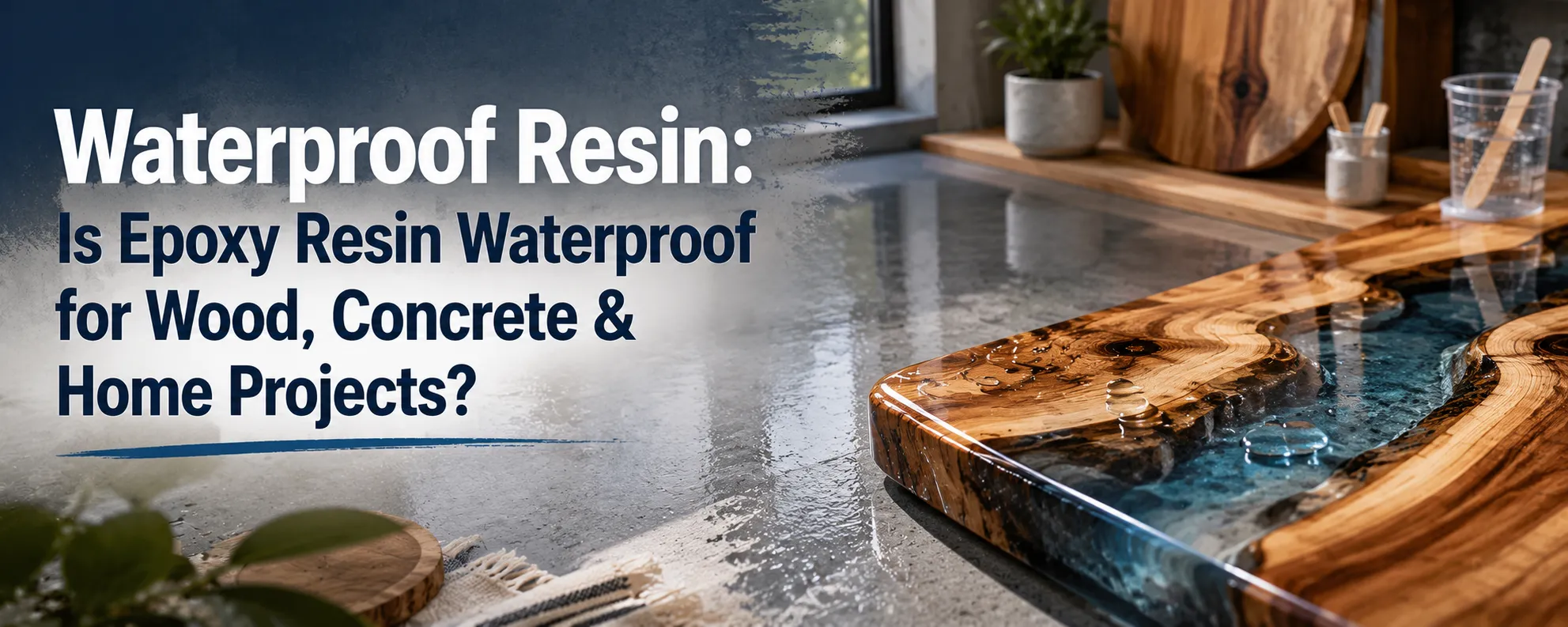
Waterproof Resin: Is Epoxy Resin Waterproof for Wood, Concrete & Home Projects?
Waterproof resin is widely used for woodworking, home repairs, flooring, river tables, countertops and DIY projects because it creates a durable protective coating. One of the most common questions people ask is: Is epoxy resin waterproof? The answer depends on proper mixing, application and full curing.
Yes. Once fully cured and applied correctly, epoxy resin forms a highly water-resistant, waterproof barrier that helps protect wood, concrete and other surfaces from moisture. Performance depends on proper surface preparation, the correct mixing ratio and complete curing.
This guide explains how waterproof resin works, its best uses, limitations, and how you can apply it at home.

Res-iT Epoxy Resin 1L Starter Kit

Res-iT 2L Pro Epoxy Resin Kit
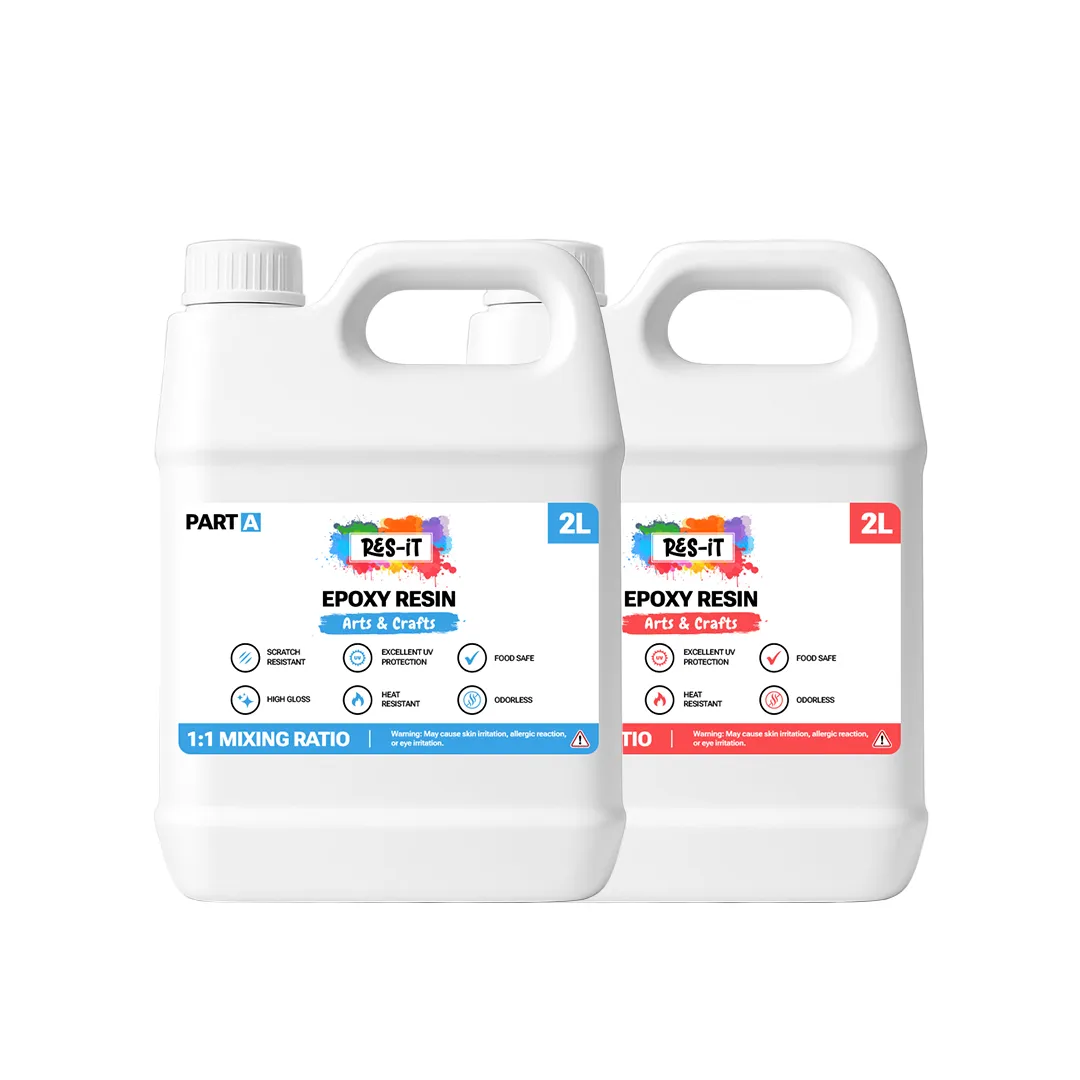
Res-iT Epoxy Resin 4L Pro Kit
Is Resin Waterproof? Understanding the Basics
The most common question that beginners often ask would be, is resin waterproof?
Most epoxy resins become highly water-resistant after full curing, making them suitable for many waterproofing applications and thus they are waterproof when cured. They form a hard, non-porous protective coating which prevents water soaking through the surface. This is the reason why individuals have confidence in epoxy in bathrooms, kitchens, concrete, and outdoor areas.
But remember:
- Water-resistance: Simple craft resins tend to be water-resistant.
- Waterproof epoxy resin: Specially made to protect against greater moisture.
If your goal is true waterproofing, always choose a waterproof resin rather than ordinary craft resin.
Is Epoxy Waterproof and Water-Soluble?
The other question: can epoxy resin be dissolved in water?
- Prior to curing: epoxy is prone to moisture.
- Once dry: epoxy is completely insoluble in water.
When it has been cured, it becomes solid as plastic and is unable to be dissolved in water. This makes it an ideal choice of wet places like bathroom and kitchens.
Why Epoxy Resin is Waterproof
Once they combine with resin and hardener, they get into a strong chemical bond. This puts up an enclosed perimeter that:
- Blocks water
- Guarantees moisture and humidity resistance
- Prevents leaks
- Strengthens and levels off the surfaces
These qualities make waterproof resin popular in both residential and commercial projects.
Best Waterproof Epoxy Resin Uses
The following are the best places that epoxy can be used:
1. Waterproof epoxy resin for wood
Epoxy is excellent in the sealing and protecting wooden objects. It:
- Fills cracks
- Stops water absorption
- Swelling, rot and damage preventive
Waterproof epoxy resin for wood is commonly used on:
- River tables
- Furniture
- Outdoor items
- Countertops
- Food-contact surfaces (only when the resin is fully cured and used according to the manufacturer's guidance).
2. Waterproof epoxy resin for concrete
Concrete is easy to absorb water hence resulting in cracks and stains. Application of a waterproof epoxy resin concrete aids in safeguarding the following surfaces:
- Garages
- Driveways
- Workshops
- Industrial floors
It develops a smooth and durable coating that is easy to clean.
3. Waterproof epoxy resin for bathroom
Most of the day bathrooms remain wet. Epoxy is perfect for:
- Bathroom floors
- Shower walls
- Countertops
- Wet areas around sinks
A quality waterproof epoxy resin helps protect bathroom surfaces from moisture, mould growth and water penetration, dampness and water seepage.
4. Waterproof epoxy resin for Kitchen
One of the current trends is to have an epoxy resin floor in the kitchen. It is:
- Waterproof
- Hygienic
- Easy to clean
- Stylish and glossy
It fits well in hectic households and the contemporary kitchens.
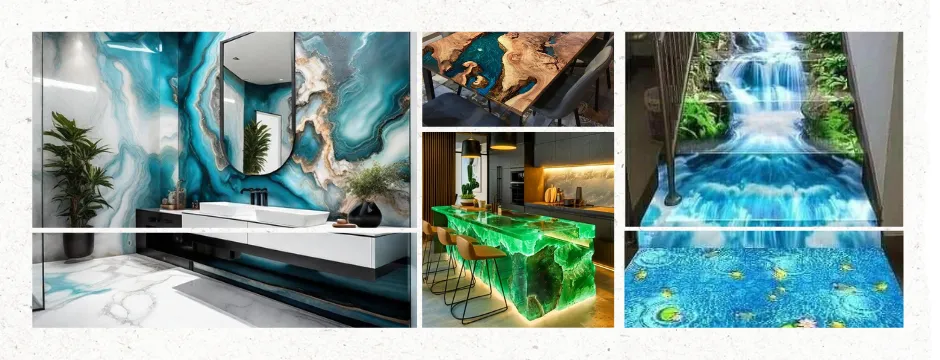
What is the best epoxy to stop a water leak?
In the case of leaks, a waterproof epoxy like Res-iT Epoxy with high strength and fast-curing times is ideal. Look for:
- High bonding strength
- Crack-sealing ability
- Water resistance
- Compatibility with concrete, wood and metal
The Epoxy Resin 4L Pro Kit or marine-grade epoxy resin is usually the most suitable waterproof epoxy resin for repairing leaks.
Applications of Epoxy Resin in Waterproofing Projects
Some of the applications of epoxy in waterproofing include:
- Fixing wall and floor cracks
- Developing waterproofing coats on wood and concrete
- Closing bathrooms and kitchens
- Outdoor waterproofing
- Sealing the leakage in tanks or pipes
- Home crafts that require waterproofing
It is durable and tough due to the hard and sealed coating.
Waterproof Epoxy Resin vs Water-Resistant Epoxy Resin
There is a difference between the two;
- Water-Resistant Epoxy: Protects against light moisture.
- Waterproof Epoxy Resin: Completely blocks water, ideal for wet areas.
In case of bathrooms, kitchens, concrete floors, and outside, make sure waterproof and not only water-resistant.
Disadvantages of Epoxy Waterproofing
The limits of epoxy are:
- It should be put on a dry surface.
- Unless it is UV-protected it can turn yellow in intense sunlight.
- It is brittle and might crack on moving surfaces.
- Waterproofing can be weakened by improper mixture.
- Before it can prevent vigorous, active leaks it must first be repaired.
Epoxy can provide good waterproofing when applied with proper preparation.
How to Apply Epoxy Resin for Waterproofing (Simple Steps)
The following is a simple procedure that can be used by anybody:
Clean the Surface
Wipe out dust, oil, moisture, dirt. Epoxy sticks better to a clean and dry surface.
Sand the Area (If Needed)
Very fine sanding is good on bonding.
Mix Resin and Hardener
Use the correct proportions of the product.
Apply the First Coat
Apply a thin even layer with brush or spreader.
Let It Cure Completely
Do not leave the surface exposed to water in the process of curing.
Put on the Second Coat (Optional)
To be even better waterproofed, apply an extra coat.
How Long Does Waterproof Epoxy Resin Last?
One of the most common questions people ask before starting a project is how long waterproof epoxy resin will continue to protect a surface. When mixed accurately, applied correctly, and allowed to fully cure, a high-quality waterproof resin can provide many years of reliable performance indoors. It forms a hard, non-porous coating that helps protect wood, concrete, metal, and other compatible surfaces from moisture, stains, and everyday wear.
The actual lifespan depends on several factors, including the quality of the resin, the environment, and how the surface is used. Indoor furniture, countertops, river tables, and decorative pieces often maintain their waterproof properties for many years with minimal maintenance. Outdoor projects are exposed to stronger UV rays, temperature changes, and weather conditions, so they may require occasional maintenance or recoating to maintain their appearance and protective finish.
To maximise durability, always follow the recommended mixing ratio, apply the resin within the correct temperature range, and allow the full curing time before exposing the surface to water. Proper care and routine cleaning can significantly extend the life of your waterproof epoxy coating.
Can Waterproof Resin Be Used Outdoors?
Yes, waterproof resin can be used outdoors, but selecting the right product is essential. Standard epoxy resin provides excellent water resistance once fully cured, but prolonged exposure to direct sunlight can gradually cause yellowing or surface deterioration. For exterior projects, it is recommended to choose a UV-resistant or UV-stabilised epoxy resin specifically designed for outdoor conditions.
Outdoor applications include garden furniture, outdoor tabletops, decorative signs, planters, benches, and timber protection projects. While the waterproof properties remain excellent, outdoor resin surfaces should be protected from standing water whenever possible and kept clean to reduce long-term wear. In areas with intense sunlight, adding a UV-resistant clear topcoat can further improve durability.
If your project will remain outdoors throughout the year, regular inspections and occasional maintenance coats can help preserve both the appearance and waterproof performance. Choosing a premium waterproof resin from the start will always provide better long-term results than lower-quality alternatives.
Choosing the Best Waterproof Resin for Your Project
Selecting the best waterproof resin depends on the type of project you are planning. Different formulations are designed for coating, casting, deep pours, artwork, furniture, or industrial applications. Using the correct resin ensures easier application, better curing, and longer-lasting waterproof protection.
For coating projects such as kitchen worktops, tabletops, bar tops, coasters, and countertops, a crystal-clear coating epoxy resin provides a smooth, glossy, and water-resistant finish. For thicker pours such as river tables or large moulds, deep pour epoxy resin is the better option because it cures more evenly while reducing excessive heat build-up during curing.
When comparing waterproof resin products, look for features such as excellent clarity, UV resistance, scratch resistance, low odour, food-safe suitability after full cure (where specified by the manufacturer), and easy mixing ratios. Investing in a high-quality resin kit helps reduce common application problems while delivering a durable finish that maintains its appearance for years.
Common Mistakes That Reduce Waterproof Performance
Even the best waterproof resin can perform poorly if it is not applied correctly. Many problems that appear months later are usually caused by mistakes made during preparation or mixing rather than defects in the resin itself. Following the manufacturer's instructions carefully helps achieve the strongest waterproof bond and longest service life.
- Using the wrong resin-to-hardener mixing ratio.
- Mixing too quickly, which introduces excessive air bubbles.
- Applying resin onto dirty, damp, oily, or dusty surfaces.
- Pouring resin outside the recommended temperature range.
- Exposing the project to water before the resin has fully cured.
- Using standard indoor epoxy resin for projects exposed to continuous outdoor sunlight.
- Skipping surface preparation, sanding, or sealing porous materials before application.
By avoiding these common mistakes, waterproof epoxy resin can achieve its full strength, excellent water resistance, and long-lasting glossy finish. Careful preparation, accurate mixing, and proper curing are the key factors that determine the overall performance of any waterproof resin project.
Frequently Asked Questions
Is epoxy resin water soluble?
A: No, epoxy resin cannot be dissolved in water after being cured. It is recommended to avoid keeping it in water before it is cured and it is considered water resistant once it is completely cured.
Which is the most efficient epoxy to use in order to prevent water leakage?
A: The most suitable in preventing leaks is a high strength and thick waterproof epoxy resin. Find items that are marked as marine grade or waterproof epoxy repair.
Is it possible to pour epoxy resin on wet surfaces such as bathrooms?
A: Yes, Bathroom waterproof epoxy resin is the most appropriate application of tiles, shower room and sinks since water would not penetrate the surface.
Does epoxy resin work well with concrete as a waterproofing?
A:Waterproof epoxy resin in concrete work well, that will create a hard barrier which will prevent the entry of water and enhance durability.
Is epoxy resin used for waterproofing suitable for wood?
A: Yes. Epoxy resin used for waterproofing is commonly applied to wooden furniture, countertops, river tables, cutting boards, and outdoor projects because it creates a durable, moisture-resistant barrier.
How long does epoxy resin used for waterproofing last?
A: High-quality waterproof epoxy resin can last for many years when it is mixed accurately, applied correctly, and allowed to cure completely. Regular maintenance can further extend its lifespan.
Can waterproof epoxy resin be used on concrete surfaces?
A: Yes. Waterproof epoxy resin is widely used on concrete floors, garages, workshops, driveways, and industrial surfaces because it helps protect against water penetration, stains, and everyday wear.
Can waterproof epoxy resin be used outdoors?
A: Yes, but a UV-resistant formulation is recommended. Although epoxy resin offers excellent waterproofing properties, prolonged exposure to direct sunlight may eventually cause yellowing.
Is epoxy resin completely waterproof after curing?
A: Once fully cured, epoxy resin forms a hard, non-porous surface that provides excellent resistance to water, humidity, and moisture. Proper preparation and application are essential for maximum performance.
Can epoxy resin be used in kitchens and bathrooms?
A: Yes. Waterproof epoxy resin is frequently used for kitchen countertops, bathroom floors, shower walls, sinks, and other areas that are regularly exposed to moisture.
Conclusion
When mixed accurately, applied correctly and fully cured, waterproof resin creates a durable moisture-resistant barrier suitable for wood, concrete, kitchens, bathrooms, floors and many DIY projects. Choosing a quality epoxy resin and following the manufacturer's instructions will help deliver long-lasting waterproof performance, strong and long lasting. It works perfectly on:
- Wood
- Concrete
- Kitchens
- Bathrooms
- Floors
- DIY projects
Waterproof resin is one of the surest materials you will ever find, whether you want to seal leaks, cover surfaces, or give them a shiny, durable appearance.