A surface material is one of the biggest decisions when planning a kitchen, bathroom, bar, or workspace. It affects the appearance of the space, ease of cleaning, and durability. Epoxy resin worktops and traditional surfaces such as granite, marble, quartz, wood, and laminate are very popular today. So, which one is better? This depends on your style, budget, and how you use the space. In this blog, we will compare epoxy resin worktops and traditional surfaces in a straightforward manner so that you can make the right decision.
What are Epoxy Resin Worktops?
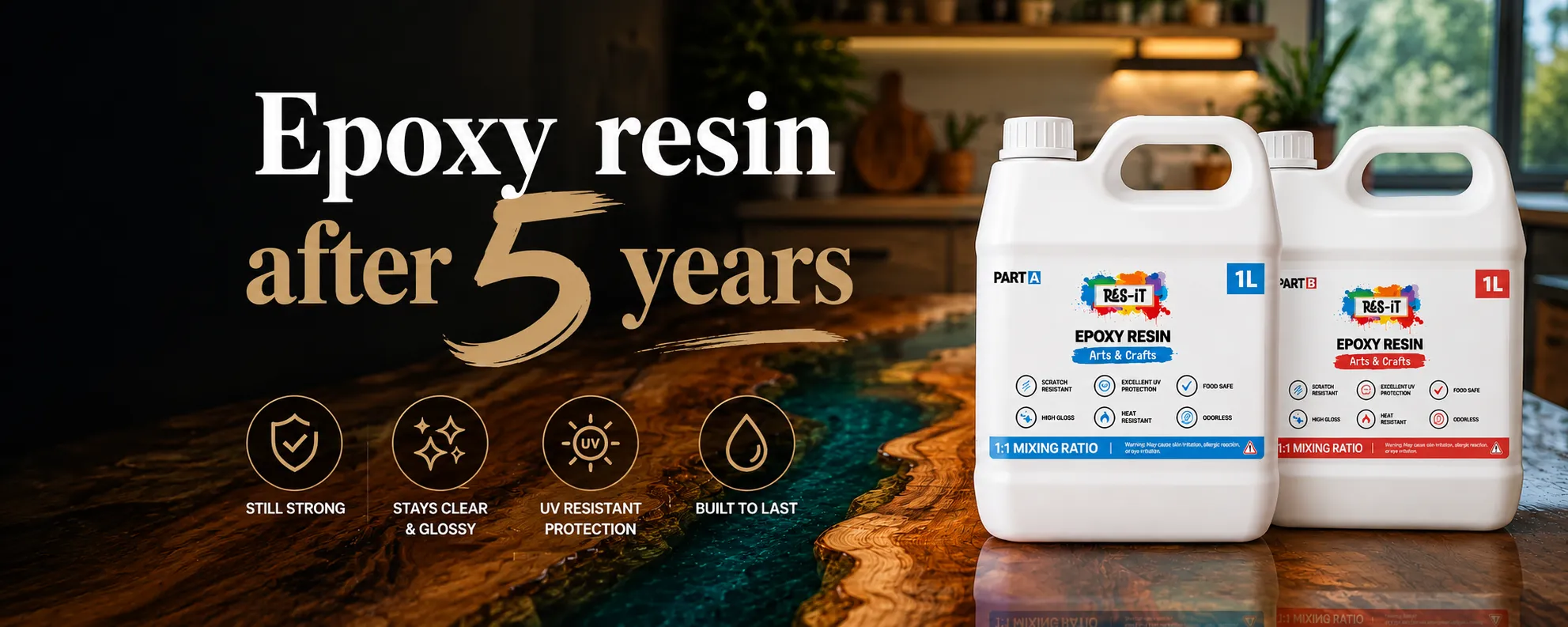
Epoxy resin worktops are produced by mixing resin and hardener and pouring the mixture onto a surface to create a smooth, glossy, and strong finish. They are available in a variety of colors, designs, and styles. Epoxy resin kitchen worktops are the choice of many people who prefer something modern, unique, and eye-catching. Customization is one of the biggest advantages of epoxy resin. You can create marble effects, stone-like finishes, glossy, metallic, or even artistic designs. This makes epoxy resin worktops an excellent choice for individuals who want a standout surface.
What are Traditional Surfaces?
Traditional surfaces typically include granite, quartz, marble, solid wood, laminate, and stainless steel. These have been used in kitchens and bathrooms for many years and are well known, durable, and commonly available.
The strengths lie in each traditional surface. For example, granite is natural and strong, quartz is low-maintenance, wood is warm, and laminate is cost-effective. The choice of these materials is usually based on their classic appearance and stable performance.
Epoxy Resin Worktops: Advantages and Disadvantages
The flexibility in design is the main reason why epoxy resin worktops are preferred. You can transform them into modern, elegant, or artistic styles. They also have a smooth finish with fewer joints where dirt can get stuck. This makes cleaning easier.
Epoxy resin surfaces are also water-resistant and suitable for daily use when properly installed and maintained. They work well in kitchens, bathrooms, laundry rooms, and creative spaces.
However, epoxy resin worktops also have some disadvantages. They can get scratched or marked with rough use. The surface can also be damaged by hot pans or high heat without protection. Although epoxy is strong, it needs proper care to stay in good condition over time.
Traditional Surfaces: Advantages and Disadvantages
Traditional surfaces have been trusted for years due to their practicality and durability. For example, granite and quartz are strong and long-lasting. Wood has a natural and warm feel. Laminate is affordable and comes in many styles.
Many homeowners prefer traditional kitchen worktops because they are familiar and compatible with most interior design themes. Low-maintenance materials like quartz are also highly preferred in modern homes.
However, traditional surfaces can also be more expensive, especially natural stones like marble or granite. Some options require sealing or regular maintenance. Wood may stain or swell with excess moisture, and laminate may not last as long as stone or resin.
Which is Better for Style?
Epoxy resin worktops tend to be the winner in terms of style. They are available in unlimited designs and can be customized to suit almost any interior. Epoxy resin offers greater creative freedom whether you want a bold modern look or a luxury marble finish.
Traditional surfaces are also beautiful, but they usually offer fewer design options. They suit people who prefer a classic, natural, or timeless look.
Which is Superior in Durability?
When it comes to durability, it depends on the material. High-quality quartz and granite are very strong and can last for many years. Epoxy resin worktops are also durable but require proper installation and care to avoid heat or heavy impact damage.
If you want a surface that can handle rough use with minimal concern, quartz or granite may be a better choice. If you want a surface that is both beautiful and functional, epoxy resin is a strong option for regular use.
Which is Better for Budget?
Another key factor is budget. The most affordable traditional surface is laminate, while granite, quartz, and marble can be expensive. Epoxy resin worktops can be cost-effective depending on the design or finish you choose.
Epoxy resin can be a smart solution if you want a customized look without spending a fortune on luxury stones. It gives you a premium appearance at a more flexible price.
Conclusion: Epoxy Resin Worktops or Traditional Surfaces?
There is no single winner. The better option depends on your needs.
Select epoxy resin work tops when you want:
- A custom and modern design
- A glossy and seamless finish
- Patterns and special coloring
- A high-end appearance for a kitchen, bar, or shower surface
Select traditional surfaces when you want:
- A classic and familiar look
- Proven long-term durability
- Natural materials such as wood or stone
- A more traditional home style surface
Ultimately, both options are valuable. Epoxy resin worktops can be a spectacular choice if beauty and customization are the most important factors. Traditional surfaces may be more suitable if you want something timeless and familiar.
Frequently Asked Questions About Epoxy Resin Worktops and Traditional Surfaces
Are epoxy resin worktops durable?
Yes, epoxy resin worktops are durable when properly installed, cured, and maintained. They can handle regular daily use, but they should be protected from excessive heat, heavy impact, and rough use to help prevent scratches or surface damage.
Are epoxy resin worktops better than granite?
It depends on your priorities. Granite offers excellent strength and a natural appearance, while epoxy resin provides greater freedom for custom colours, patterns, and artistic finishes. Epoxy may be preferable when design flexibility is more important than a natural stone surface.
Are epoxy resin worktops cheaper than quartz?
The cost depends on the design, size, preparation, and finish. Epoxy resin can be a cost-effective option when you want a customised, premium appearance without choosing an expensive natural stone such as quartz, granite, or marble.
Can epoxy resin worktops be scratched?
Yes. Although epoxy resin creates a strong surface, rough use or sharp objects can mark or scratch the finish. Using suitable cutting boards and avoiding abrasive cleaning materials can help protect the surface.
Can you put hot pans on epoxy resin worktops?
It is best to avoid placing very hot pans or cookware directly onto an epoxy resin worktop. Excessive heat can damage or mark the resin surface. Always use a heat-resistant mat or trivet for hot cookware.
Are epoxy resin worktops easy to clean?
Yes. Their smooth, glossy and relatively seamless surface makes them easy to clean. Regular cleaning with suitable non-abrasive products can help maintain their appearance and finish.
Which is better for a kitchen, epoxy resin or quartz?
Both can be suitable, depending on your needs. Quartz is a strong and low-maintenance traditional option, while epoxy resin offers greater customisation and creative design possibilities. Choose epoxy when appearance and flexibility are key priorities, or quartz when you prefer a proven traditional surface.
Can epoxy resin worktops look like marble?
Yes. One of the main advantages of epoxy resin is its ability to create customised finishes, including marble-inspired patterns, metallic effects, stone-like designs, and glossy artistic surfaces.
Are epoxy resin worktops suitable for bathrooms?
Yes. Properly installed epoxy resin surfaces can be suitable for bathrooms because they provide a smooth and water-resistant finish. Correct preparation, application, and curing are important for achieving a durable result.
How long do epoxy resin worktops last?
Their lifespan depends on the resin quality, installation, usage, and maintenance. Proper care can help an epoxy resin worktop remain attractive and functional for many years, although excessive heat, impact, and scratching should be avoided.
Which worktop is easiest to maintain?
Low-maintenance options such as quartz are known for easy everyday care, while epoxy resin is also relatively easy to clean because of its smooth surface. The maintenance requirements ultimately depend on the specific material and how it is used.
Is epoxy resin a good choice for a customised worktop?
Yes. Epoxy resin is particularly suitable for customised worktops because it can be created in different colours, patterns, metallic effects, marble-inspired designs, and glossy finishes. It is a strong option for anyone who wants a unique surface rather than a standard traditional design.