Introduction to Epoxy Resin Kit work makes - Essentials and Tips.
During the recent years, epoxy resin art has become very popular. Jewellery making and coasters are a few examples of the numerous creative projects that resin is utilised in. Nevertheless, one may be a bit intimidated when beginning to work with epoxy resin, particularly when one is unsure of what basic supplies he or she requires to begin with.
In case you are willing to get lost in the world of epoxy resin art, this blog will show you the supplies that you must have in your epoxy resin kit when you are starting to work with resin and some tips that will help you to work with resin as the novice. Is everything in place to start your creative life?
What is epoxy resin?
One should be able to know what is epoxy resin before delving into the supplies. Epoxy resin is a soft, powerful material that is made up of two parts, a resin and a hardener. As soon as the two components are mixed together, there will be a reaction of chemical reaction and the mixture will be hard, transparent and shiny finish. The creative possibilities that can be achieved with the help of an affordable resin kit are quite numerous, and one can become an amateur in art, crafts, home decor, and repair.
Necessary Materials to Your Epoxy Resin Kit.
At this juncture, we will examine the basics that you will need to start with epoxy resin as amateurs. This will be the bare minimum, and with experience, however, one can always include more specialised tools and materials into his/her arsenal.
Epoxy Resin and Hardener
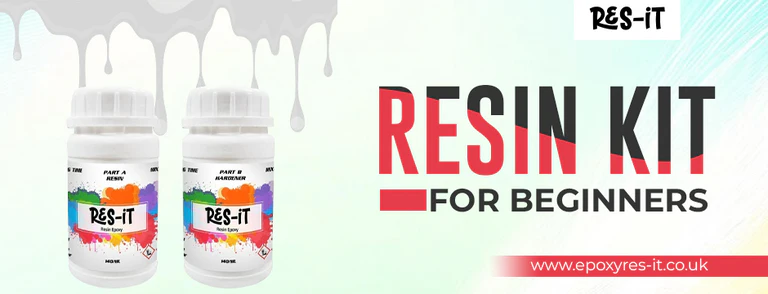
The most crucial in your epoxy resin set as a beginner would be the epoxy resin itself. Epoxy resin is typically composed of the resin and the hardener. These are the two elements that must be combined in an appropriate proportion (usually 1:1, however, always read the instructions of the producer) so as to initiate the chemical reaction that leads to the hardening of the resin.
Being a beginner, you should find a high-quality epoxy resin which is crafting directed. Other resins are manufactured with reduced odour, which is more favourable to work with. Select one that is clear, self-levelling and smooth to finish.
Measuring Cups and Mixing Sticks
Precise measurements are needed when using epoxy resin because the size of resin to the hardener will make or break your project. Buy a set of measuring cups with distinct marks to make the measurement of the two parts easy.
Sticks used to mix should also be used; they can be of wood, plastic, or silicone. These sticks will enable you to stir your resin well, to get a good mix, and minimise the possibility of air bubbles.
Silicone Moulds or Resin Moulding Trays
Should you want to make moulds (e.g. jewellery moulds or coasters), silicone moulds are a very good choice. Silicone is not sticky and thus easier to release your projects of resin after they were hardened. Moulds that are resin friendly are available in different shapes and sizes, therefore you can test with different mould shapes and designs.
In case you do not wish to purchase moulds, it is also possible to use other objects found in the house (such as plastic cups or tray), but silicone moulds are the easiest one to begin with.
Protective Gloves and masks
When working with epoxy resin, you may be exposed to chemicals, and this is why it is necessary to protect your hands and lungs. Latex or nitrile gloves are also required to avoid direct contact with the resin on the skin and dust mask or respirator may also be used to philtre out fumes. It is important to make sure that one works in a well-ventilated place or put on a mask to be on the safe side.
Torch or Heat Gun
It is one of the most frequent problems of working with epoxy resin, the appearance of air bubbles. These bubbles can be eliminated using a small torch or a heat gun. A low temperature heat source is used to ensure the bubbles are brought to the surface and pop to create a smooth and perfect finish.
A torch is more accurate and is mostly suitable in smaller places whereas a heat gun is effective in bigger surfaces.
Resin Pigments or Dyes
In case you wish to add colour or certain effects to your resin projects, then you will need resin pigments or dyes. These are made specially to be used in resin and they will not disturb the process of curing. There are numerous colours available in metallic, glitter and even glow-in-the-dark pigments to make your projects shine.
Also, it is important to avoid loading the pigment because this may interfere with the curing duration or the resin transparency.

Plastic Drop cloth or Old new newspaper
Epoxy resin may be sloppy and therefore a protective surface to work on is essential. Place a plastic drop cloth, newspaper or even a piece of cardboard to cover your working area. This will ensure that resin drippers do not destroy your table or counter.
Mixing Containers or Plastic Cups
As well as your measuring cups, you will require containers or cups to mix the resin which are disposable. These tubs must be strong and not smaller than the quantity of the resin you are doing. The use of plastic cups is cheap and efficient, only to be disposed of after blending.
Level surface
This is important to make sure that your resin sets up even and it does not pool or leave uneven edges. When dealing with bigger projects such as resin tables or canvases a stable table or workstation is needed.
How to Work with Epoxy Resin as an Amateur.
So now that you are aware of what you are going to use, here are some of the tips to get you started with epoxy resin art.
Tip 1: Study the Instructions
Different resins vary in their curing time, in their mixing ratios and safety precautions. The best results are when instructions are adhered to by the manufacturer. This will make sure that your resin dries properly and also provide a durable finish.
Tip 2: Work in a Well-Ventilated Space
Resin may emit fumes during the time it is curing and should be worked in a well-ventilated place. Opening the window, turn on a fan or even going outside could be a solution to not breathe in the fumes.
Tip 3: Mix Thoroughly
Another fundamental truth that is needed to know when working with epoxy resin is that it needs to be mixed thoroughly. Mix the resin and hardener taking at least 3-5 minutes to mix, scraping the cup sides as you do it. The failure to completely mix resin may result in resin that is not sticky or does not cure successfully.
Tip 4: Right Temperature
Epoxy resin is best mixed and cured in room temperature at around 70°F (21°C) to 80 F (27°C). When it is very cold, then the resin might not cure correctly, and when it is very hot, then it might cure too fast forming a crack or a bubble.
Tip 5: Don't Rush.
Resin projects are not in a hurry. DO NOT rush your project after each layer of project, or before project is out of moulds. Hurrying may result in blemishes that are sticky, bubbles or uneven surfaces.
Tip 6: Clean Your Tools
Resin may be difficult to clean, and therefore you need to clean your tools (mixing sticks and containers) immediately after use. One example of a solvent that can be used to dissolve the resin prior to its hardening is a solvent such as rubbing alcohol.
Get Started with Epoxy Res-iT!
Ready to experiment with resin art? Epoxy Res-iT can provide the finest resin starter kits, which are also suitable to novice users who want to make beautiful and strong resin artworks. Our well-selected kits include all that you require such as quality resin and hardener to make the crafting experience a smooth and successful one that includes mixing tools and moulds.
We have high quality materials and easy instructions to follow, and you will be a master crafter in a short time. Shop our resin kit beginners and release your creativity with Epoxy Res-iT, your one and only solution to everything resin!
Conclusion:
Resin art is an enjoyable and satisfying endeavour, however, you must have the correct supplies in your kit. With the basic materials such as epoxy resin, mixing tools, moulds, and safety equipment, you would be up and running making beautiful projects in a short time.